Understanding Semi Trailer Tire Sizes and Specifications

When it comes to semi trailer maintenance, one of the most critical aspects is choosing the right tires. The right tire size and specification can significantly impact the performance, safety, and efficiency of your vehicle. In this article, we'll delve into the world of semi trailer tires, helping you understand the importance of tire sizes and specifications, and how to choose the best options for your needs.
Choosing the right tire size and specifications for your semi trailer isn't just about fitting the wheels. It affects the overall performance of the vehicle, including fuel efficiency, load capacity, and safety. Here's why these factors are crucial:
Performance and Efficiency
The right tire size ensures that your semi trailer runs smoothly on the road. Tires that are too small or too large can affect the aerodynamics of the vehicle, leading to increased fuel consumption. Properly sized tires help maintain balance and reduce rolling resistance, ultimately saving on fuel costs.
Load Capacity
Tire specifications also determine the load capacity of your semi trailer. Each tire is designed to support a specific amount of weight, and using the incorrect size can lead to overloading. This not only puts additional stress on the tires but can also compromise the safety of the vehicle.
Safety
Safety is paramount when it comes to operating a semi trailer. Incorrect tire sizes can lead to blowouts, skidding, and reduced braking efficiency. Ensuring that you have the right tire specifications minimizes these risks and ensures a safer driving experience.
Understanding Tire Size Notations
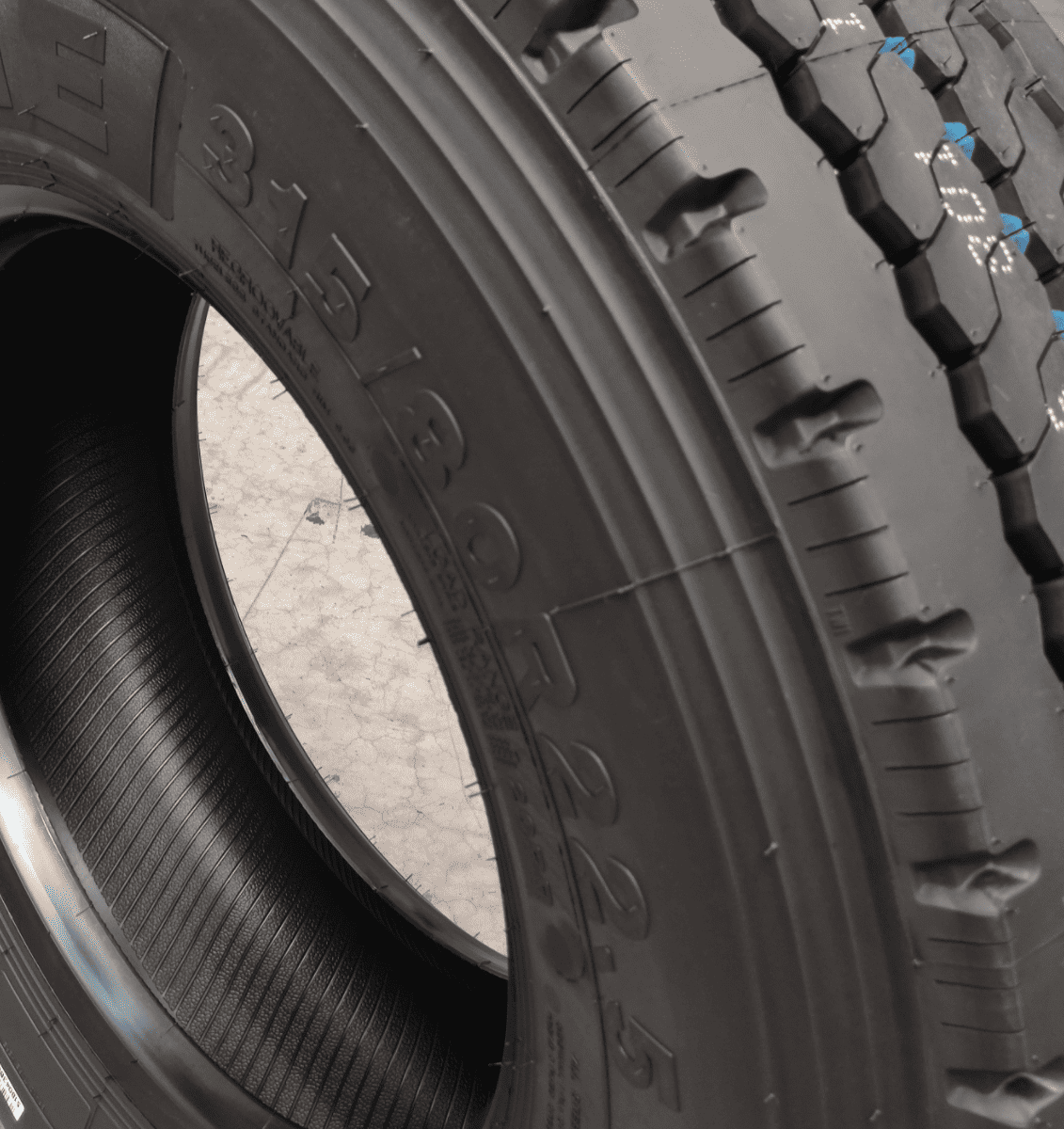
To choose the right tire, you first need to understand the tire size notation. Typically, tire sizes are expressed in a series of numbers and letters, such as 295/75R22.5. Let's break down what each part means:
Width
The first number in the tire size (e.g., 295) represents the width of the tire in millimeters. This width is measured from sidewall to sidewall. A wider tire can provide better traction but may also affect fuel efficiency.
Aspect Ratio
The second number (e.g., 75) is the aspect ratio, which is the height of the tire's sidewall as a percentage of the tire's width. A lower aspect ratio means a shorter sidewall, which can improve handling but may result in a stiffer ride.
Construction Type
The letter that follows (e.g., R) indicates the construction type of the tire. Most semi trailer tires use radial construction, denoted by "R." Radial tires provide better road contact, leading to improved traction and fuel efficiency.
Wheel Diameter
The final number (e.g., 22.5) indicates the diameter of the wheel in inches. This measurement is crucial as it must match the wheel on which the tire will be mounted.
Common Semi Trailer Tire Sizes
There are several common tire sizes used in the semi trailer industry. Knowing these can help you make informed decisions when purchasing new tires:
- 295/75R22.5: A popular choice for many semi trailers, offering a balance of performance and load capacity.
- 275/80R22.5: Provides slightly better fuel efficiency due to its narrower width.
- 11R22.5: Known for its durability and ability to handle heavy loads.
- 285/75R24.5: Often used for larger trailers requiring higher load capacities.


How to Choose the Right Tires for Your Semi Trailer
Selecting the right tires involves considering several factors, including the type of loads you typically carry, the distances you travel, and the driving conditions. Here are some tips to guide you:
Determine Your Load Requirements
Consider the weight of the loads you usually transport. This will help you decide on the load capacity needed for your tires. Always check the load index rating, which indicates the maximum weight the tire can safely carry.
Consider the Driving Conditions
Think about the typical roads and weather conditions you encounter. For instance, if you frequently drive on wet or icy roads, you might need tires with better traction and grip.
Evaluate Fuel Efficiency Needs
If fuel efficiency is a top priority, look for tires with low rolling resistance. These tires are designed to reduce the energy loss as the tire rolls, improving fuel economy.
Brand and Quality
Investing in high-quality semi trailer tires from reputable brands can offer longer tread life and better performance.
Conclusion
Understanding semi trailer tire sizes and specifications is essential for optimizing the performance, safety, and efficiency of your vehicle. By choosing the right tires, you ensure that your semi trailer operates smoothly and safely on the road. Keep the factors discussed in mind the next time you're in the market for new tires, and you'll be well-equipped to make the best choice for your needs.
In conclusion, always prioritize regular tire maintenance and inspections. This will not only extend the life of your tires but also ensure the ongoing safety and efficiency of your semi trailer.
Understanding Semi Truck Tire Pressure Basics
Understanding OTR Tires Cost and Semi Truck Tires Price: A Buyer's Guide