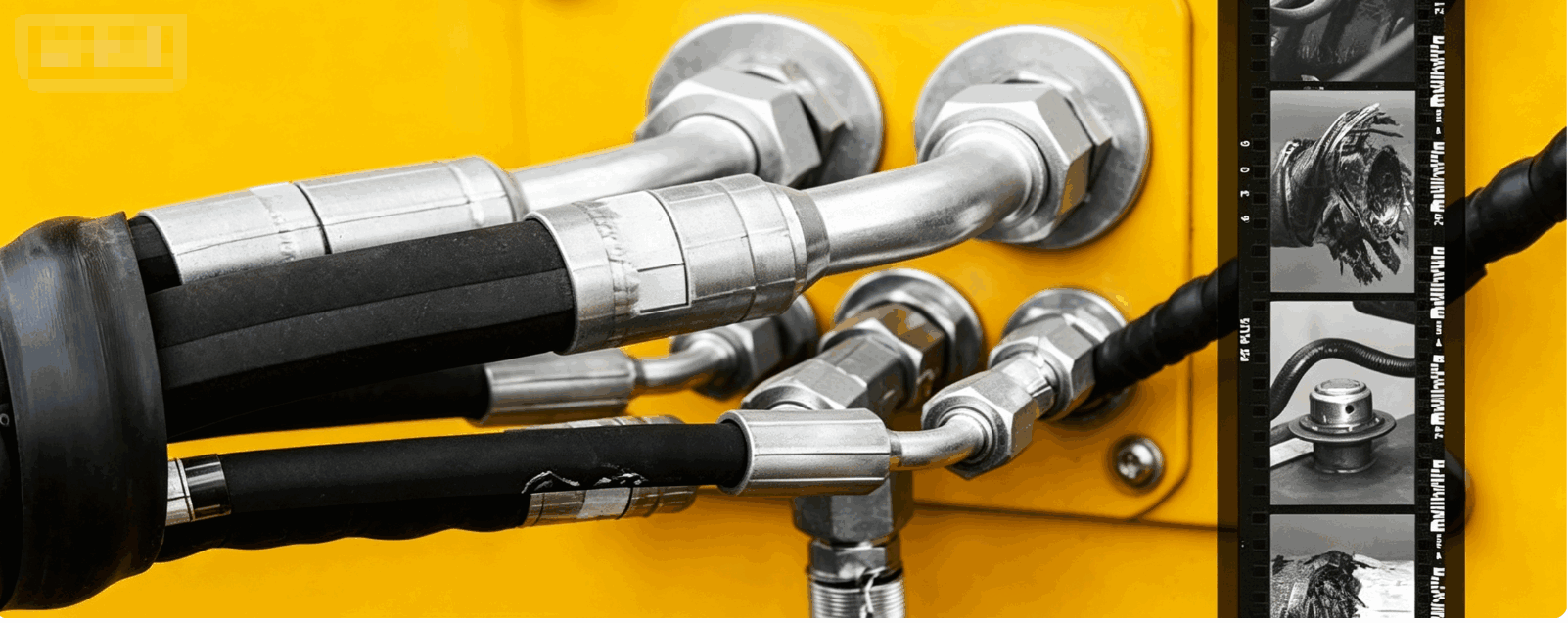
Recycling and Waste Equipment Hydraulic Hoses: Applications, Selection, and Durability Guide
1. Introduction
Recycling and waste processing facilities operate in some of the harshest industrial environments. Equipment is exposed to sharp debris, corrosive liquids, heavy vibration, abrasive materials, and constant mechanical stress day after day. At the heart of these operations—powering compactors, balers, shredders, and material handling systems—are hydraulic hose systems that must deliver reliable power under punishing conditions. A single hose failure can bring an entire processing line to a standstill. This guide explores the critical applications of hydraulic hoses in recycling and waste processing equipment, covering key machinery types, recommended hose specifications, selection criteria, and maintenance best practices.
2. Key Equipment and Hydraulic Functions
Balers (Horizontal and Vertical): Balers compress recyclable materials—cardboard, plastic, metal, paper—into dense bales using hydraulic pressure. The hydraulic system powers the main compression ram, bale ejection, and door operations. High‑cycle applications demand hoses with exceptional impulse fatigue resistance. SAE 100R2AT double wire braid hoses are commonly specified for baler applications.
Compactors: Stationary and self‑contained compactors use hydraulic cylinders to compress waste into containers. These systems operate under sustained high pressure with frequent cycling. Hoses must withstand both pressure and the abrasive environment of waste transfer stations.
Shredders and Granulators: Hydraulic systems in shredders power feed rollers, cutter shafts, and discharge conveyors. The combination of high pressure, shock loads, and extreme vibration makes spiral‑wire reinforced hoses (SAE 100R12) the preferred choice.
Material Handling and Lifting Systems: Conveyors, sorting equipment, and lifting systems rely on hydraulics for positioning and movement. These applications often require hoses with excellent flexibility for tight routing around moving machinery.
3. Environmental Challenges Unique to Waste Processing
Recycling facilities expose hydraulic hoses to conditions that rapidly degrade standard components:
- Abrasion: Hoses rub against sharp metal edges, debris, and other hoses. Manufacturers estimate that 80% of hose failures are attributable to external physical damage, with abrasion being the most common type.
- Chemical Exposure: Hoses must withstand contact with leachate, corrosive waste byproducts, cleaning chemicals, and harsh fluids common in recycling environments.
- Temperature Extremes: Facilities operate year‑round, from freezing winter conditions to the intense heat generated by continuous hydraulic operation.
- Contamination: Dust, dirt, and particulate matter are ever‑present, accelerating wear on hose covers and fittings.
4. Recommended Hydraulic Hose Types for Recycling Equipment
| Hose Type | Construction | Typical Applications in Recycling/Waste |
|---|---|---|
| SAE 100R2AT | Double steel wire braid | Baler rams, compactor cylinders, medium‑high pressure circuits |
| SAE 100R12 | Four spiral wire layers | Shredders, high‑impulse, high‑pressure applications |
| SAE 100R4 | Helix wire + textile | Suction and return lines, pump inlet applications |
| Thermoplastic Hoses | Synthetic fiber reinforcement | Tight routing, weight‑critical applications |
| Abrasion‑Resistant Cover Hoses | Specialized cover compounds | High‑wear areas, debris‑heavy environments |
5. Selection Criteria for Waste Processing Hydraulic Hoses
- Abrasion Resistance: The outer cover must withstand constant rubbing against metal edges and debris. Hoses with specialized abrasion‑resistant compounds—such as those with ultra‑high abrasion resistance—are essential for recycling applications.
- Chemical Compatibility: The inner tube and cover must resist degradation from leachate, cleaning chemicals, and corrosive waste byproducts. Hoses should be selected for compatibility with harsh chemicals commonly found in recycling environments.
- Impulse Life: Continuous cycling of balers and compactors demands hoses with excellent impulse fatigue resistance. Spiral‑wire hoses (SAE 100R12) are often specified for high‑cycle applications.
- Flexibility and Bend Radius: Tight routing on compact equipment requires hoses with small minimum bend radii. Thermoplastic hoses offer excellent flexibility for confined spaces.
- Temperature Range: Hoses must perform across extreme temperatures, from cold winter operation to the heat of continuous hydraulic cycling.
- Cover Material: For the most demanding applications, hoses with chlorine‑free, high‑abrasion, and ozone‑resistant cover compounds provide extended service life.
6. Common Failure Modes and Prevention
- Abrasion Wear: The most common cause of hose failure in recycling equipment. Signs include visible wear on the outer cover exposing reinforcement. Prevention: reroute hoses away from contact points, use abrasion‑resistant sleeves, and install proper clamps.
- Cover Degradation: Exposure to chemicals and UV causes cracking and hardening. Prevention: select hoses with chemically compatible cover materials and inspect regularly.
- Fitting Failure: Loose or damaged fittings cause leaks that escalate to catastrophic failure. Prevention: use proper crimping techniques and torque specifications.
- Heat Damage: Continuous operation generates heat that hardens rubber. Prevention: ensure adequate cooling, use heat‑resistant hose compounds, and maintain proper fluid levels.
7. Inspection and Maintenance Best Practices
- Daily Visual Inspections: Check for visible leaks, damaged or cracked hoses, loose fittings, and signs of abrasion. Daily checks catch minor issues before they become failures.
- Abrasion Point Identification: Identify and eliminate any scouring points where hoses rub against equipment surfaces.
- Proactive Replacement: Replace hoses showing signs of cracking, bulging, leaks, or compromised integrity. Do not wait for failure.
- Proper Routing: Ensure hoses are secured with appropriate clamps and routed to avoid sharp bends, chafing against metal edges, and contact with hot surfaces.
8. Conclusion
Hydraulic hoses are the muscle behind recycling and waste processing operations—powering balers, compactors, shredders, and material handling systems that keep our communities clean and resources circulating. The harsh conditions of waste facilities—abrasive debris, corrosive fluids, constant cycling, and extreme temperatures—demand hoses engineered for durability: SAE 100R2AT for medium‑high pressure circuits, SAE 100R12 spiral hoses for high‑impulse applications, and abrasion‑resistant covers for the most demanding environments. Proper selection, regular inspection, and proactive replacement prevent costly breakdowns and keep processing lines moving. In waste and recycling, reliable hydraulics aren't just about efficiency—they're essential to maintaining continuous operations in one of the toughest industrial environments on earth.
Garbage Truck Hydraulic Hoses: Applications, Types, and Maintenance Guide