17.5R25 vs. 23.5-25: Selecting the Right OTR Tire for Your Loader

1. Understanding the Tire Size Designation
Both sizes use a similar notation system. The first number (17.5 or 23.5) refers to the tire's section width in inches. This is the key differentiator. The "R" in 17.5 r25 tires stands for Radial construction, which is standard for modern OTR tires due to its superior flexibility and heat resistance. The final number (25) is the rim diameter in inches. Therefore, while both fit the same wheel, the 23.5 25 tire is significantly wider than the 17.5R25, which dictates their core applications.
2. Application Comparison: Versatility vs. Maximum Traction
17.5R25 Tires: The All-Rounder
The 17.5 r25 tires are a workhorse size known for their excellent balance. They are commonly found on:
-
Mid-sized wheel loaders (e.g., 2-4 cubic yard bucket capacity)
-
Telehandlers and large industrial forklifts
-
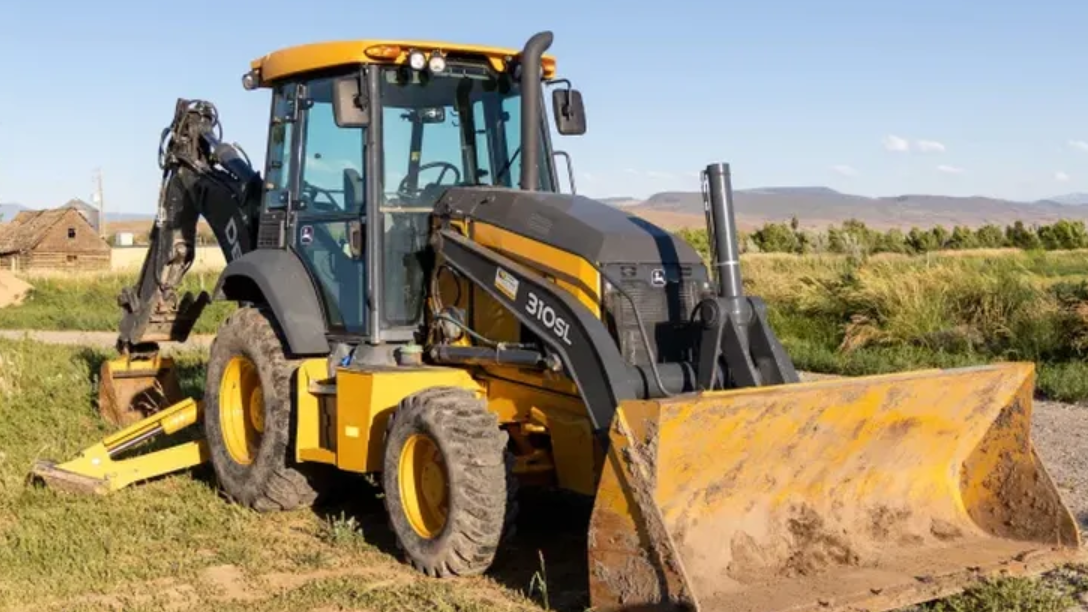
Certain backhoe loaders and graders
Their narrower profile offers precise steering control, good stability for load handling, and is well-suited for applications that require a mix of off-road traction and on-yard mobility on firmer surfaces like hard-packed soil, gravel, or asphalt.
23.5-25 Loader Tires: The Heavy-Duty Specialist
The 23.5 25 loader tires are engineered for maximum performance in demanding conditions. Their wider footprint provides two major advantages:
-
Superior Flotation: Distributes the machine's weight over a larger area, drastically reducing ground pressure. This prevents sinking in soft, muddy, or sandy underfoot conditions.
-
Enhanced Traction: The larger contact patch provides exceptional grip for digging and pushing in loose materials like shot rock, coal, or wood chips.
Consequently, they are the preferred choice for:
-
Large wheel loaders (e.g., 4-6+ cubic yard capacity) in mining, quarries, and high-volume material handling.
-
Log loaders in forestry applications.
-
Heavy-duty material handlers at ports and recycling centers.
3. Key Factors When Purchasing
When evaluating 23.5 25 loader tires for sale or comparing options, consider these technical factors:
-
Tread Pattern: This dictates traction and wear.
-
L-3 / L-4 (Loader/Drive): A common, versatile block pattern for mixed surfaces.
-
L-5 (Rock/Quarry): Deeper, more rugged tread for extreme abrasion resistance.
-
L-2 (Deep Tread): For maximum traction in loose, soft material.
-
-
Ply Rating / Star Rating: Indicates the tire's load capacity and durability. Higher ratings are essential for heavier loads and more severe service. A 23.5 25 tire for a mining loader will have a much higher rating than one for a yard handler.
-
Rubber Compound: Premium cut- and heat-resistant compounds cost more upfront but offer significantly longer life in severe applications, lowering your cost-per-hour.
-
Total Cost of Ownership (TCO): The cheapest tire is rarely the most economical. Consider tread life, fuel efficiency impact (lower rolling resistance), and downtime costs. A premium 23.5 25 loader tire often provides a better TCO despite a higher initial price.
4. Making the Right Choice for Your Operation
Your selection should be driven by your primary working environment and machine specifications.
-
Choose 17.5R25 tires if your machine operates on relatively firm ground, requires good maneuverability, and handles diverse tasks in construction, agriculture, or general industry.
-
Choose 23.5-25 loader tires if your primary challenge is soft underfoot conditions, you need maximum pushing and loading traction in loose stockpiles, or your machine operates in an extreme-abrasion environment like a rock quarry.
Always consult your equipment's operator manual for OEM-approved tire specifications and load charts. The right choice enhances safety, productivity, and ultimately, your bottom line.
The Professional's Guide to Excavator Undercarriage and Haul Truck Tires
The Ultimate Guide to 23.5-25 Loader Tires: Specs, Applications & Value