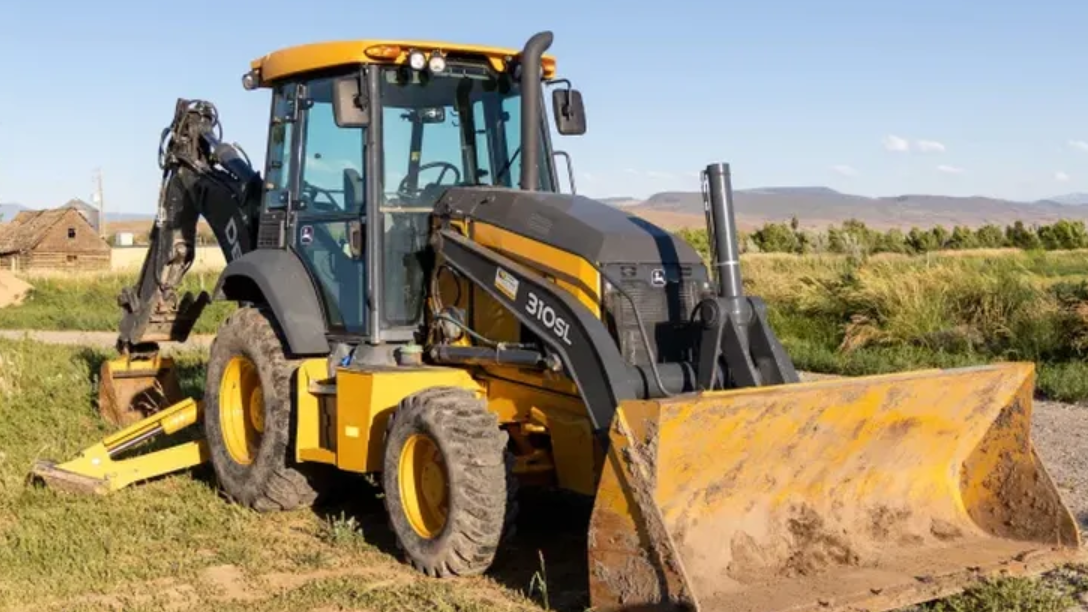
Understanding Different Types of Excavator Tires
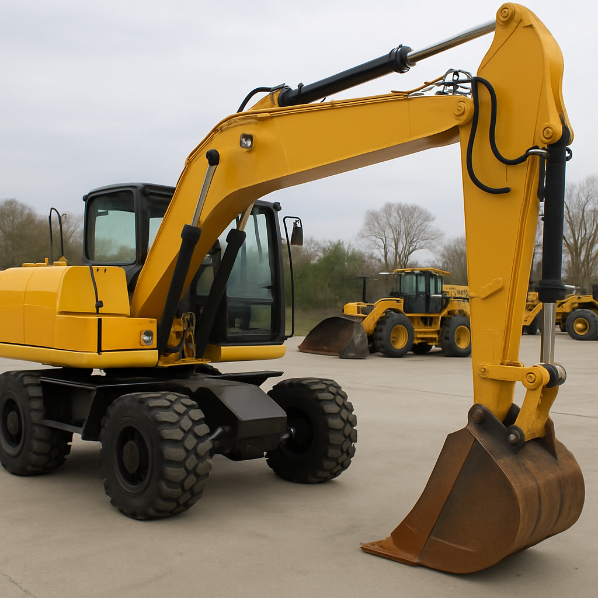
Tires are a crucial component of any excavator. They not only affect the machine's performance but also its stability and maneuverability. The right tire can enhance traction, reduce fuel consumption, and extend the life of your equipment. On the other hand, using the wrong type of tire can lead to increased wear and tear, higher maintenance costs, and even accidents on-site.
Types of Excavator Tires
There are several types of excavator tires available, each designed to meet specific needs and conditions. Here, we'll discuss the most common ones.
Rubber Tires
Rubber tires are widely used in many excavators, especially those that need to move quickly between sites. They offer a smoother ride compared to their steel counterparts and are less likely to damage surfaces. This makes them ideal for urban environments or projects that require minimal disruption to existing infrastructure.
Advantages of Rubber Tires:
- Improved ride comfort
- Less surface damage
- Quieter operation
Disadvantages of Rubber Tires:
- Less durable in rough terrains
- Higher susceptibility to punctures
Steel Tracks
While not technically "tires," steel tracks are a common alternative for excavators. They are particularly useful in rough or uneven terrains where rubber tires might struggle. Steel tracks provide better stability and can handle heavy loads more efficiently.
Advantages of Steel Tracks:
- Superior traction on difficult terrains
- High load capacity
- Long-lasting durability
Disadvantages of Steel Tracks:
- Can damage delicate surfaces
- Noisy operation
- Higher maintenance requirements
Solid Tires
Solid tires are another option, known for their durability and resistance to punctures. They are made entirely of rubber and are often used in industrial settings where sharp objects are common. Although they provide a rougher ride compared to pneumatic tires, their robustness makes them a cost-effective choice for many operations.
Advantages of Solid Tires:
- Puncture-proof
- Minimal maintenance
- Long lifespan
Disadvantages of Solid Tires:
- Rougher ride quality
- Increased weight
- Can be more expensive initially
Foam-Filled Tires
Foam-filled tires are pneumatic tires filled with a special foam that prevents flats. They combine the benefits of pneumatic and solid tires, offering a smoother ride while eliminating the risk of punctures. However, they can be heavier and more costly than other options.
Advantages of Foam-Filled Tires:
- No flat tires
- Smoother ride than solid tires
- Good for various terrains
Disadvantages of Foam-Filled Tires:
- Added weight
- Higher cost
- Difficult to repair
Factors to Consider When Choosing Excavator Tyres
Choosing the right excavator tire involves considering several factors. Here are some key aspects to take into account:
Terrain
The type of terrain you'll be working on is one of the most important factors. For soft or muddy conditions, steel tracks might be more suitable. In contrast, rubber tires are better for paved or urban areas.
Load Capacity
Different tires have varying load capacities. Ensure the tires you choose can handle the weight of your excavator and any additional loads it may carry.
Durability
Consider the tire's durability, especially if your projects involve harsh conditions or long hours of operation. Solid and steel track options generally offer better durability.
Cost
While initial costs are important, also consider the long-term costs associated with maintenance and replacement. Sometimes a more expensive tire upfront can save money in the long run.
Maintenance Tips for Excavator Tyres
Proper maintenance is crucial to extend the life of your excavator tyres, regardless of the type. Here are some tips:
- Regular Inspections: Check for signs of wear, punctures, or damage regularly.
- Proper Inflation: Ensure pneumatic tires are inflated to the recommended pressure to prevent uneven wear.
- Cleaning: Keep tires clean from debris that could cause damage.
- Rotation: If applicable, rotate tires to ensure even wear.
Conclusion
Selecting the right type of excavator tire is essential for optimizing performance and minimizing costs. By understanding the different types of tires available and considering factors such as terrain, load capacity, and durability, you can make an informed decision that best suits your needs. Remember, regular maintenance is key to maximizing the lifespan and effectiveness of your tires. Whether you opt for rubber, solid, steel, or foam-filled tires, each type has its own set of advantages and potential drawbacks. Choose wisely to ensure the safety and efficiency of your operations.
• OTR
• Mining
• Agriculture
• Industrial
Backhoe Tire Sizing Guide: 14x17.5, 14.9x24, and 18.4x28 Explained