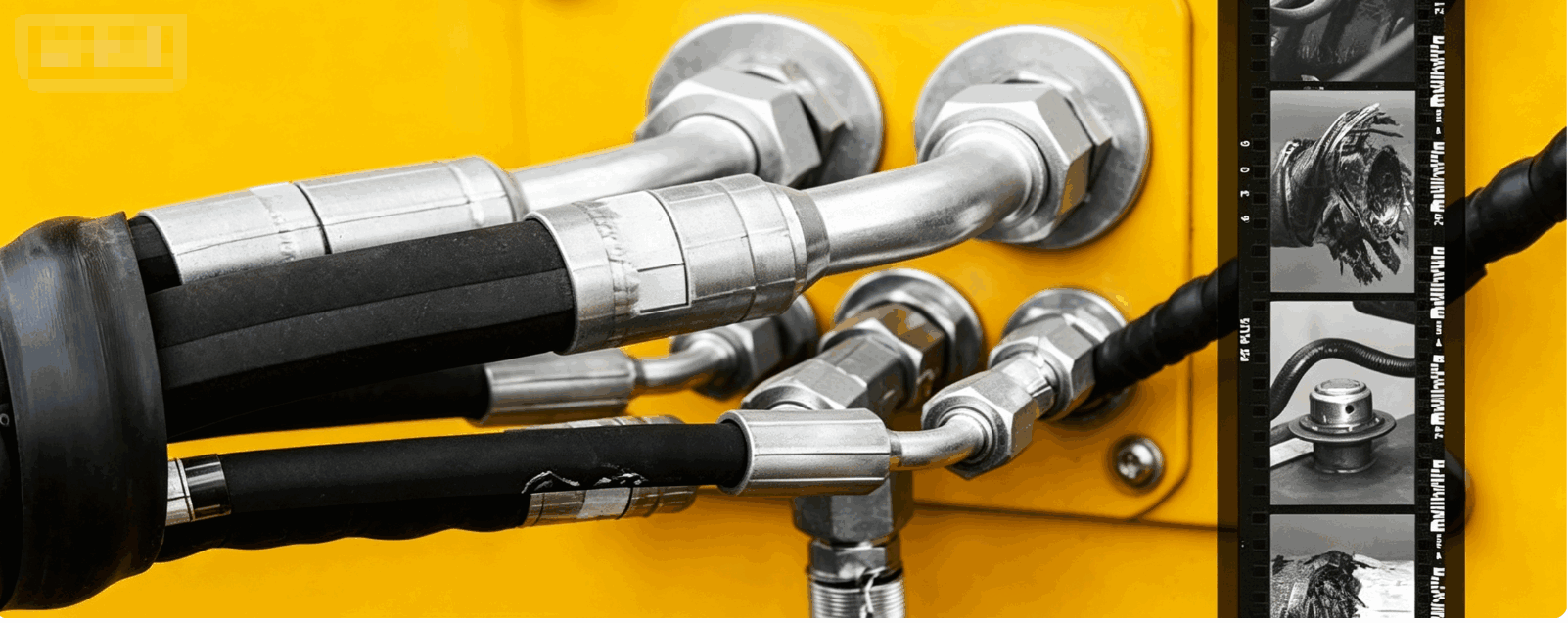
Hydraulic Hose Fitting Types & Application Matching: How to Prevent Leaks and Blow-Offs

Hydraulic systems are only as reliable as their connections. A mismatched or improperly selected hose fitting is a failure waiting to happen—leaking fluid, blowing off under pressure, or causing costly downtime. With dozens of fitting styles, thread types, and sealing methods available, choosing the right combination for your application can be confusing. This guide provides a professional overview of common hydraulic hose fitting types, their appropriate applications, and practical advice to avoid mismatches that lead to leaks, blow-offs, and system contamination.
Why Fitting-Hose Mismatch Is Dangerous
A hydraulic fitting must seal perfectly with the hose and the port. Mismatches create multiple failure risks:
-
Leaks: Incompatible sealing surfaces or incorrect thread pitches allow fluid escape
-
Blow-offs: Fittings not properly crimped or retained on the hose can detach under pressure
-
Contamination: Mismatched threads can shed metal particles into the system
-
Pressure loss: Restrictive fittings reduce flow and system efficiency
Understanding the common fitting types is the first step to making the correct match.
Part 1: Common Hydraulic Fitting Types by Connection Method
Threaded Connectors (Permanent & Field-Attachable)
These fittings screw onto port threads and are crimped or screwed onto the hose end. The most common types include:
| Fitting Type | Thread Standard | Sealing Method | Typical Applications |
|---|---|---|---|
| JIC (37° Flare) | SAE J514 (UN/UNF threads) | Metal-to-metal 37° flare | General industrial, mobile hydraulics, high-pressure systems |
| ORFS (O-Ring Face Seal) | SAE J1453 (UN/UNF threads) | O-ring compressed in face groove | High-vibration, high-pressure; excellent leak resistance |
| NPT (National Pipe Taper) | ANSI B1.20.1 | Tapered threads with sealant | Low to medium pressure; common in older systems |
| BSPP (British Standard Pipe Parallel) | ISO 228-1 | O-ring or bonded seal on face | European and Asian equipment; industrial hydraulics |
| BSPT (British Standard Pipe Taper) | ISO 7-1 | Tapered threads | Older European systems; steam and air lines |
| SAE O-Ring Boss (ORB) | SAE J1926 (UN/UNF threads) | O-ring in straight thread boss | High-pressure, leak-free; common on pumps and valves |
Quick-Connect Couplers
These tool-less connectors allow rapid connection and disconnection of hydraulic lines. Common types include:
-
Flat-face couplers: Minimal fluid loss, easy to clean, ideal for agricultural and construction implements
-
Popper (ball-lock) couplers: Traditional design, more fluid spillage, lower cost
-
Screw-to-connect couplers: Secure connection for high-pressure applications
Part 2: How to Match Fittings to Hoses and Ports
Matching involves three independent but equally critical decisions: hose-to-fitting match, fitting-to-port match, and application suitability.
Step 1: Match Fitting to Hose Construction
The fitting must be compatible with the hose's reinforcement (wire braid or spiral) and inner tube material.
-
Crimp fittings: Permanent attachment; factory-crimped for consistent compression. Most reliable for high-pressure.
-
Field-attachable (reusable) fittings: Screw or clamp onto the hose. Convenient for repairs but require exact hose brand/model match. Mixing brands often causes leaks.
-
Push-on fittings: Low-pressure only; barbs grip the hose inner tube.
Critical rule: Never mix fitting brands with hose brands unless cross-reference certified. Each manufacturer's crimp specifications are unique.
Step 2: Match Fitting to Port Thread
This is where most mismatches occur. Threads must match in:
-
Diameter (e.g., 1/4", 3/8", 1/2")
-
Thread pitch (UNF, UNC, metric, BSP)
-
Thread form (tapered or parallel)
-
Sealing method (flare, O-ring, gasket, thread sealant)
Use a thread identification gauge or consult port specifications. When in doubt, test with known matching fittings.
The table below shows common incompatibilities to avoid:
| Port Thread | Mistaken For | Consequence |
|---|---|---|
| JIC 37° | SAE 45° flare | Metal deformation, leak |
| NPT | BSPT | Cross-threading, leak after several cycles |
| ORB | JIC | Will thread but never seal |
| Metric straight thread | UNF | Damages both threads |
Step 3: Verify Pressure and Temperature Ratings
Even with correct mechanical matching, the fitting must be rated for system pressure and temperature. A low-pressure fitting on a high-pressure line will fail at the crimp or threads. Verify:
-
Working pressure rating (should exceed maximum system pressure)
-
Temperature range (compatible with fluid and ambient temperatures)
-
Impulse rating (for systems with pressure spikes)
Part 3: Avoiding Common Mismatch Failures
Failure #1: The Leaking NPT Connection
Symptoms: Fluid seeps from threads despite sealant tape.
Cause: Over-tightening cracks the female port; under-tightening leaves gaps; wrong tape type or application.
Solution: Use proper PTFE tape or anaerobic pipe sealant designed for hydraulics. Apply 2-3 wraps in direction of threads. Tighten to spec, not to feel.
Failure #2: The ORFS That Won't Seal
Symptoms: Fluid leaks from the O-ring face.
Cause: Damaged, missing, or wrong durometer O-ring; scratched sealing surface.
Solution: Always replace O-rings when breaking connection. Use genuine seals. Inspect faces for nicks.
Failure #3: JIC Flare Cracks
Symptoms: Fluid weeping from the flare cone.
Cause: Cross-threading; over-tightening cracks the flare; under-tightening fails to compress.
Solution: Hand-start threads carefully. Use a torque wrench. Replace damaged flare nuts.
Failure #4: Field-Attachable Fitting Blow-Off
Symptoms: Fitting separates from hose under pressure.
Cause: Wrong fitting for hose brand; incorrect assembly or torque; damaged hose end.
Solution: Use only manufacturer-matched fittings. Follow assembly instructions precisely. Replace any hose with damaged reinforcement.
Application-Based Selection Guide
| Equipment/System | Recommended Fitting Types | Key Consideration |
|---|---|---|
| Construction equipment (excavators, loaders) | JIC, ORFS, Flat-face couplers | High vibration; use ORFS or flat-face for leak resistance |
| Agricultural machinery (tractors, combines) | ORFS, Flat-face couplers (ISO 16028) | Frequent connection changes; prioritize cleanliness |
| Industrial hydraulics (presses, injection molding) | JIC, ORB, BSPP | High cycle; use permanent crimp fittings |
| Mobile hydraulics (trucks, cranes) | JIC, ORFS, NPT (low pressure) | Mixed environments; avoid NPT for high pressure |
| High-pressure (5000+ psi) | ORFS, JIC, ORB with steel components | Verify impulse rating; never use brass fittings |
| Low-pressure / return lines | Push-on, reusable NPT | Cost-effective; ensure correct hose ID |
Conclusion: Match Once, Match Right
Hydraulic fitting mismatches are preventable with basic knowledge and careful verification. Identify your port threads. Select the correct fitting type for pressure and environment. Use matched hose and fitting brands. Follow torque specifications. Train technicians to recognize common threads.
Taking these steps eliminates the vast majority of fitting-related leaks, blow-offs, and contamination failures. The result is safer equipment, longer hose life, and less unplanned downtime.
UNF vs. JIC Fitting: Understanding the Key Difference for Hydraulic Systems
Hydraulic Hose "Health Check" Guide: How Often to Inspect and What to Look For