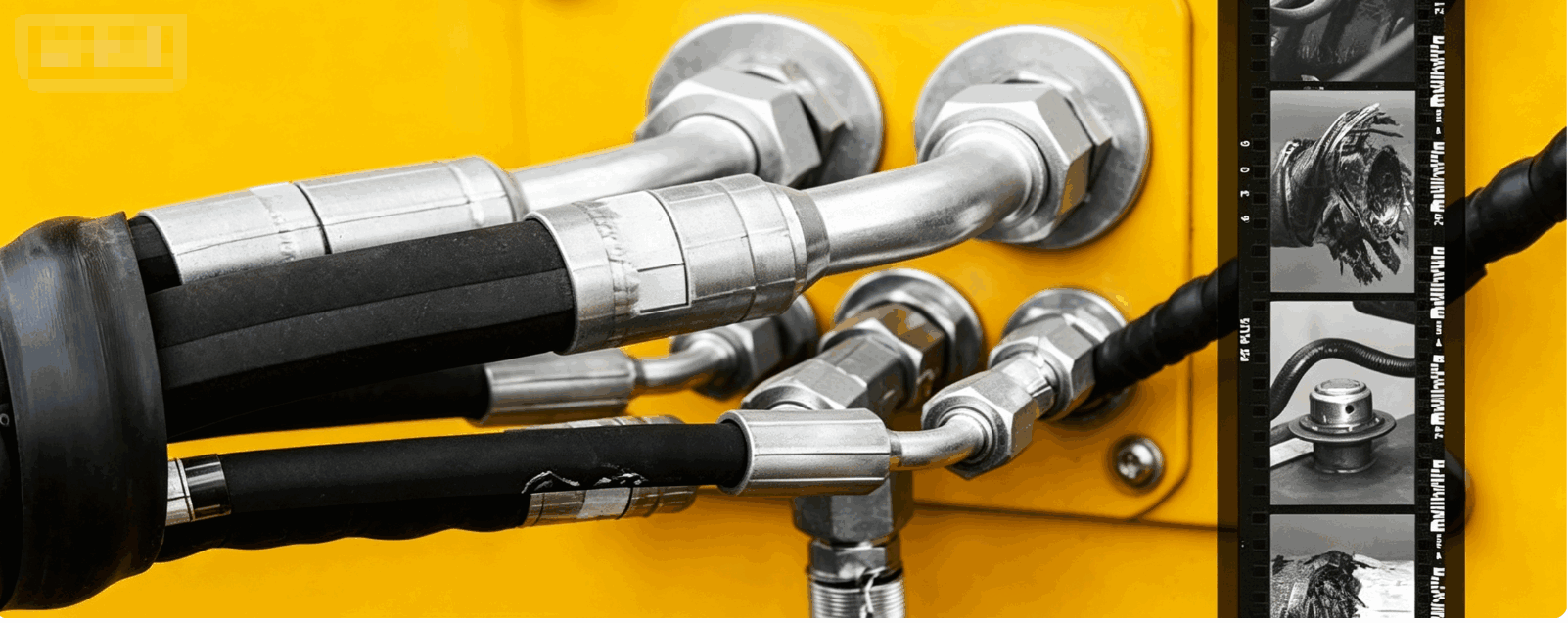
Hydraulic Hose Fluid Compatibility: A Complete Guide to Inner Tube Material Selection

Why Fluid Compatibility Matters
Hydraulic hoses are the circulatory system of heavy machinery, yet one of the most overlooked factors in hose selection is fluid compatibility. When a hydraulic hose's inner tube material does not match the hydraulic fluid being conveyed, the consequences can be severe—swelling, hardening, cracking, or even complete hose disintegration. These failures lead to leaks, system downtime, safety hazards, and costly repairs. This guide explains why fluid compatibility is critical, which hose materials work with which fluids, and how to make the right selection for your application.
The inner tube of a hydraulic hose comes into direct contact with the fluid. If the tube material is incompatible with the fluid, chemical reactions degrade the tube from the inside out. Incompatible fluids can cause swelling (3-8%), loss of mechanical properties, and eventual failure. Temperature accelerates these reactions. A material that is compatible at room temperature may degrade rapidly at elevated operating temperatures. Additionally, external environmental factors such as ozone, UV radiation, and chemical exposure can degrade the outer cover if it lacks compatibility with its surroundings.
Common Hydraulic Hose Inner Tube Materials
The five most popular material choices for hose inner tubes are nitrile (NBR), EPDM, FKM (Viton), PTFE (Teflon), and neoprene, with nitrile being the most common. Each offers distinct compatibility profiles.
Nitrile (NBR) is the industry standard for petroleum-based hydraulic oils, fuels, and water-oil emulsions. It offers good temperature resistance up to 100°C, high abrasion resistance, and low cost. However, NBR has poor compatibility with water-glycol fluids, ozone, and exterior aging.
Hydrogenated Nitrile (HNBR) is an upgraded version of NBR with a wider temperature range (-30°C to +130°C) and superior ozone resistance. It is the best choice for high-performance mineral oil applications where standard NBR reaches its limits.
EPDM is the go-to material for water-based hydraulic fluids, including water-glycol mixtures (HFC), water-oil emulsions (HFA/HFB), and phosphate ester-based fire-resistant fluids. EPDM is required for phosphate ester applications because NBR will degrade and fail rapidly. However, EPDM is not compatible with mineral oils.
FKM (Viton) is a fluoroelastomer that provides superior protection against aggressive synthetic fluids such as polyol esters and phosphate esters. It excels in high-temperature conditions and has excellent chemical and ozone resistance. FKM is ideal for demanding fire-resistant fluid applications but has poor cold resistance and higher cost.
PTFE is a thermoplastic with nearly universal chemical resistance. It is the superior choice for extreme temperatures (-54°C to +204°C) and highly corrosive fluids. The trade-off is reduced flexibility and higher cost.
Neoprene is commonly used as a cover material offering good oil, weather, and abrasion resistance. It is versatile for general-duty applications but not typically used as a primary tube material for specialized fluids.
Fluid Types and Hose Material Selection
The table below provides a compatibility overview for different hose inner tube materials and fluid types. This table is a guideline only; always consult manufacturer data for specific applications.
| Hydraulic Fluid Type | NBR (Nitrile) | EPDM | FKM (Viton) | PTFE |
|---|---|---|---|---|
| Mineral Oil (HL/HLP) | ✅ Excellent | ❌ Not compatible | ✅ Excellent | ✅ Excellent |
| Water-Glycol / HFC | ❌ Poor | ✅ Excellent | ❌ Poor | ✅ Excellent |
| Water-Oil Emulsion / HFA | ❌ Poor | ✅ Excellent | ❌ Poor | ✅ Excellent |
| Phosphate Ester (HFD-R) | ❌ Degrades | ✅ Excellent | ✅ Excellent | ✅ Excellent |
| Polyol Ester (HEES) | ❌ Degrades | ❌ Poor | ✅ Excellent | ✅ Excellent |
| Biodegradable Oils (HETG/HEPG) | ⚠️ Check spec | ⚠️ Check spec | ✅ Excellent | ✅ Excellent |
| Brake Fluid (DOT) | ❌ Poor | ✅ Good | ⚠️ Check spec | ✅ Good |
| Diesel Fuel | ✅ Good | ❌ Swells | ✅ Excellent | ✅ Excellent |
| Water / Steam | ❌ Poor | ✅ Good | ⚠️ Limited | ✅ Excellent |
| Air / Pneumatic | ✅ Good | ✅ Good | ✅ Good | ✅ Excellent |
Factors Affecting Compatibility Beyond the Fluid
Fluid compatibility is not determined solely by the fluid type. Key influencing factors include: temperature, as chemical reactions accelerate with heat; operating pressure, as high pressure can force fluid penetration into the tube; fluid concentration and additives, as these alter chemical aggressiveness; and external environment, as chemical exposure can degrade the cover. Always consult manufacturer compatibility charts and confirm with your hose supplier.
Common Signs of Incompatibility
Watch for these indicators: swelling or softening of the hose cover; hardening, brittleness, or cracking; blistering or bubbles under the cover; discoloration or surface chalking; premature cover cracking, especially after short service; and leaks at fittings without visible damage.
Practical Selection Steps
To ensure proper fluid compatibility, follow these steps:
- Identify your fluid type. Refer to the fluid manufacturer's data sheet. Common hydraulic oils are petroleum-based (HL/HLP) unless otherwise stated.
- Check the operating temperature. Higher temperatures may require upgraded tube materials.
- Select inner tube material. Use the compatibility table above to match tube material to your fluid type.
- Verify with manufacturer data. Always consult the hose manufacturer's compatibility chart before final selection.
- Consider the environment. Ensure the outer cover material is compatible with external chemicals, UV, and ozone exposure.
- Test if uncertain. For critical or unusual applications, conduct a compatibility test by immersing a hose sample in the fluid under operating conditions.
The Cost of Ignoring Compatibility
Specifying the correct tube material involves minimal extra effort but prevents catastrophic failures. A standard NBR hose used with phosphate ester fluid will degrade rapidly—potentially failing in days or weeks—while an EPDM or FKM hose can last years. The upfront cost difference is minimal compared to downtime, equipment damage, and safety risks.
Conclusion
Fluid compatibility between hydraulic hose inner tubes and hydraulic fluids is not a secondary consideration—it is a fundamental requirement for system longevity and safety. NBR serves most mineral oil applications, EPDM is required for water-based and phosphate ester fluids, FKM handles aggressive synthetics and high heat, and PTFE offers universal chemical resistance. By matching the tube material to the fluid and verifying compatibility with manufacturer data, you can prevent premature hose failures, reduce downtime, and extend equipment life.
Hydraulic Hose Failure Prevention: 10 Signs Your Construction Hose Needs Immediate Replacement
Hydraulic Hose Sleeves: A Complete Guide to Types, Protection, and Safety