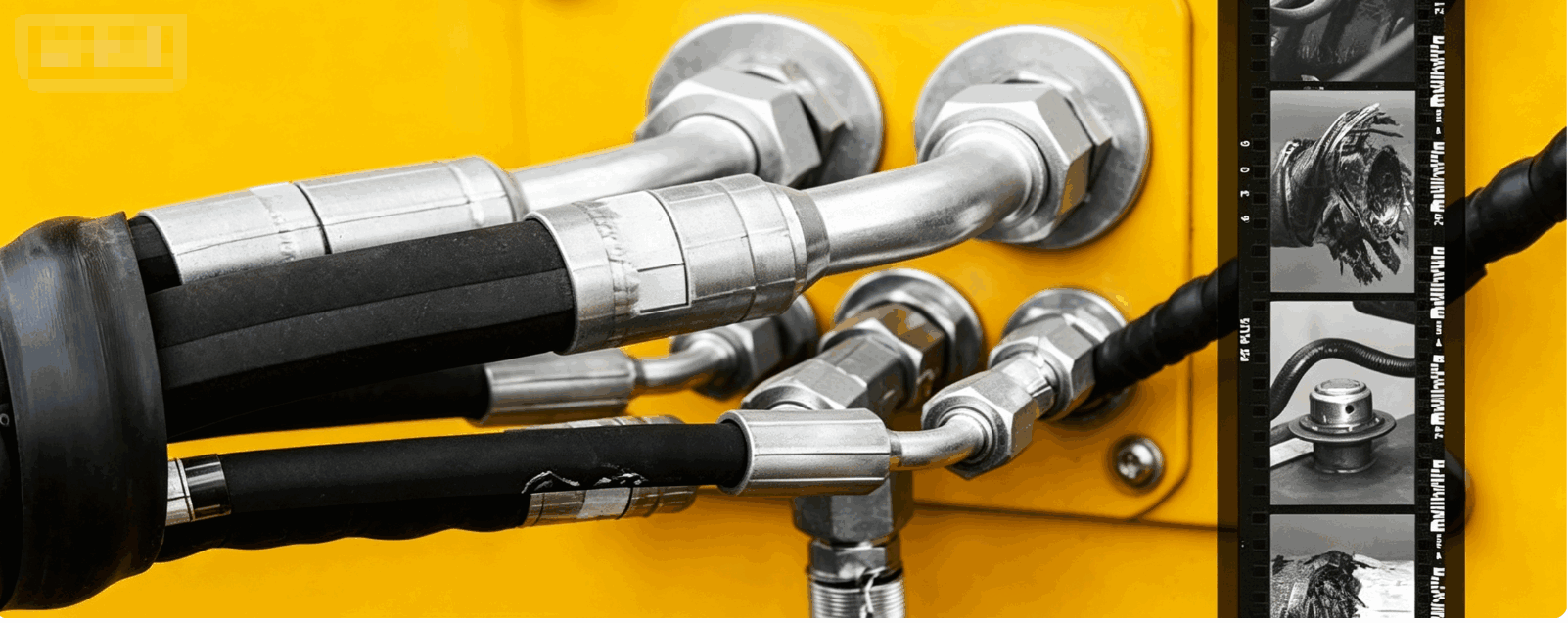
Hydraulic Hose Sleeves: A Complete Guide to Types, Protection, and Safety

What Are Hydraulic Hose Sleeves?
Hydraulic systems rely heavily on hoses to transmit fluids under high pressure. Over time, these hoses can be exposed to extreme temperatures, abrasions, and chemicals, making them vulnerable to damage and failure. Hydraulic hose sleeves are protective coverings designed to safeguard these vital components. This guide explores the benefits, types, selection criteria, and best practices for using hydraulic hose sleeves to extend the life and performance of hydraulic systems.
Hydraulic hose sleeves are durable, high-performance covers designed to protect hydraulic hoses from a range of environmental hazards, including abrasion, heat, and chemical exposure. These sleeves serve as a first line of defense, preventing wear and tear that could lead to hose failure, leaks, and downtime.
Key Benefits
Protection against abrasion, heat resistance (up to 538°C with fiberglass sleeves), chemical resistance, pressure containment, and improved aesthetics and organization are among the primary benefits. Additionally, burst protection sleeves help contain fluid in the event of a failure, safeguarding operators and equipment.
Types of Hydraulic Hose Sleeves
| Material / Type | Key Properties | Best Applications |
|---|---|---|
| Fiberglass | Heat resistance up to 538°C (1000°F) | Automotive, aerospace, heavy machinery, high-temp zones |
| Silicone-Coated | Heat resistance up to 260°C (500°F), flexibility | Extreme temperature conditions, continuous high heat |
| Nylon / Polyester | Abrasion resistance, lightweight, flexible, chemical-resistant | Industrial applications, general wear, bundling |
| Kevlar® | Extreme abrasion/cut resistance, high strength | High-pressure heavy-duty, mining, construction |
| Thermoplastic | Chemical resistance, abrasion resistance, lightweight | Manufacturing, agriculture, food processing |
| Aluminized | Reflects radiant heat | Protection from radiant heat sources |
Comparison: Sleeve vs. Spiral Wrap vs. Enhanced Hose Cover
Understanding the difference between sleeve products, spiral wraps, and built-in hose covers is essential for proper selection.
| Feature | External Sleeve | Spiral Wrap | Enhanced Hose Cover (Built-in) |
|---|---|---|---|
| Primary Purpose | Burst containment + abrasion | Abrasion / impact | Abrasion (factory applied) |
| Installation | Retrofit, field-installable | Retrofit, easy application | Integral to hose manufacturing |
| Replaceable | Yes | Yes | No (must replace whole hose) |
| Best For | Operator safety, burst risk areas | Frequent rubbing, mechanical damage | New OEM assemblies, consistent protection |
Selection Guide: How to Choose the Right Hose Sleeve
Select the right sleeve based on three practical factors: temperature exposure, abrasion severity, and installation condition.
Step 1: Temperature Exposure
- Low to moderate temperature: Use standard abrasion sleeves (nylon/polyester) for general wear and bundling.
- High radiant heat: Use heat-reflective or high-temperature sleeves when hoses are near engines, exhausts, or hot surfaces.
- Flame & molten splash: Use silicone-coated fiberglass fire sleeves for steel mills, foundries, and welding zones.
Step 2: Abrasion Severity
- Light abrasion: Flexible textile sleeves for occasional contact or bundling.
- Medium to heavy abrasion: Thicker, tightly woven sleeves for frequent rubbing against metal edges or brackets.
- Impact & mechanical contact: Consider reinforced textile sleeves or spring guards for debris impact and dragging.
Step 3: Installation Condition
- For field installation after hoses are mounted: Use hook-and-loop sleeves (Velcro® closure) or spiral wraps that can be applied without removing hoses.
- For new assemblies / proactive protection: Use continuous woven sleeves installed before fitting attachment.
- For limited access / maintenance constraints: Choose sleeves that are easy to remove and reinstall without disconnecting hoses.
Installation and Maintenance Best Practices
- Measure Correctly: Sleeve length should be adequate to cover all potential wear points. For burst protection sleeves, sizing recommendations suggest choosing a size approximately 50% larger than nominal hose OD to accommodate the maximum outside profile of hose fittings.
- Cut Cleanly: For fabric sleeves, cut ends can be sealed with a heat gun or hot knife to prevent fraying.
- Secure Properly: Use adhesive-lined heat shrink tubing, cable ties, or clamps to secure sleeve ends and prevent slippage.
- Replace Worn Sleeves: Sleeves are sacrificial components. Replace them when abraded or damaged to maintain protection.
- Bundle with Caution: When bundling multiple hoses, group similarly constructed and sized hoses together. Never bundle high-pressure hose with low-pressure hose, as they work against each other under pressure.
Common Mistakes to Avoid
- Using spiral wrap for burst protection: Spiral wrap protects against abrasion and crushing but does not contain high-pressure fluid bursts.
- Choosing the wrong temperature rating: A sleeve rated for 100°C will fail rapidly near 200°C exhaust components.
- Underestimating abrasion severity in mining/demolition: Use heavy-duty Kevlar® or high-density woven sleeves for extreme environments.
- Forgetting about UV exposure: Outdoor equipment requires UV-resistant covers; standard textile sleeves may degrade in sunlight.
Conclusion
Hydraulic hose sleeves are a critical investment for extending hose life, reducing downtime, and protecting operators. By matching the sleeve type to your specific application—considering temperature exposure, abrasion severity, and installation constraints—you can significantly improve hydraulic system reliability.
Hydraulic Hose Fluid Compatibility: A Complete Guide to Inner Tube Material Selection
UHP Hydraulic Hose Technology: Standards, Applications, and Selection