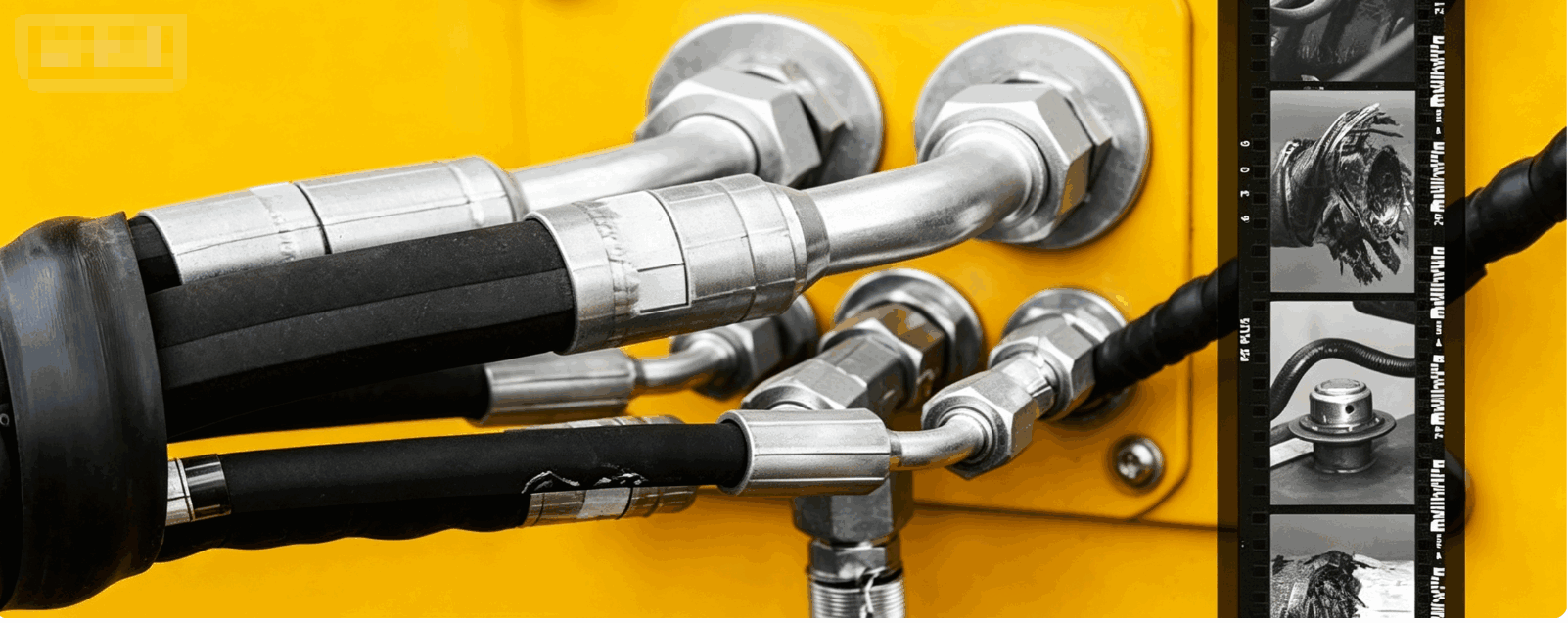
Mining Dump Truck Hydraulic Hoses: Applications, Selection, and Maintenance Guide
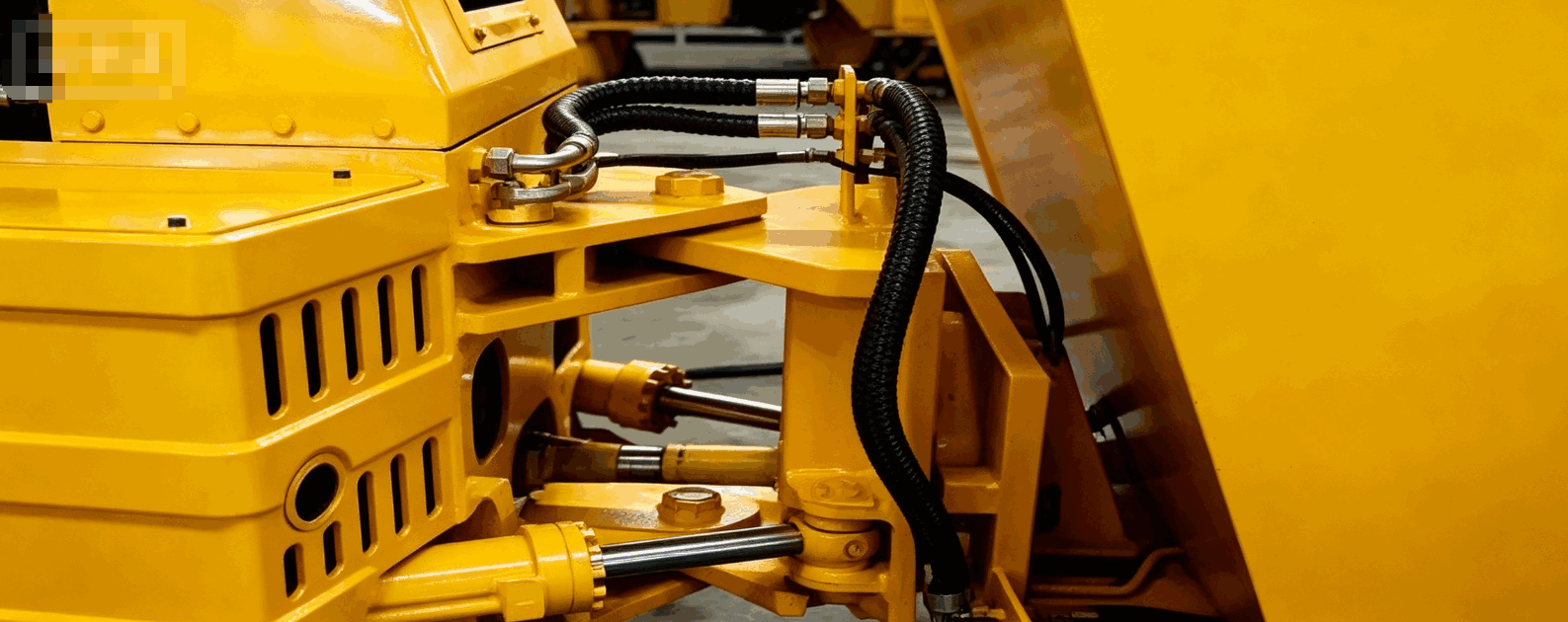
- 1. The Critical Role of Hydraulic Hoses in Mining Haulage
- 2. Key Hydraulic Systems in Mining Dump Trucks
- 3. Types of Hydraulic Hoses Used in Mining Applications
- 4. Mining-Specific Standards and Requirements
- 5. Challenges in Mining Hose Applications
- 6. Selection Criteria for Mining Hydraulic Hoses
- 7. Installation and Maintenance Best Practices
- 8. Conclusion
1. The Critical Role of Hydraulic Hoses in Mining Haulage
Mining dump trucks and heavy haul equipment operate in some of the most demanding environments on earth. From massive rigid-frame haul trucks carrying 400-ton payloads to articulated dump trucks navigating treacherous haul roads, these machines rely on a complex network of hydraulic hoses to deliver power, control, and safety. A single hose failure can halt production, endanger operators, and cost millions in downtime.
Hydraulic hoses are the circulatory system of any mining dump truck. They transmit pressurized fluid to power essential functions including steering, braking, suspension, and body hoist systems. Without reliable hoses, the massive forces required to lift, steer, and stop these multi-ton machines would be impossible to control.
The XCMG oil suction hose, for example, is a heavy-duty, wire-reinforced hydraulic hose designed specifically for articulated dump trucks. It delivers reliable oil flow from the hydraulic tank to the main pump, ensuring continuous lubrication and power for steering, braking, and tipping systems under extreme mining conditions.
2. Key Hydraulic Systems in Mining Dump Trucks
1. Steering Systems
Hydraulic steering systems in mining trucks require high-pressure hoses to deliver precise control. On AD-series articulated dump trucks, hoses are commonly used for power steering lines, hydraulic suspension circuits, and brake master cylinder connections. The hydraulic steering system typically includes a hydraulic plunger pump, steering accumulator, steering/braking valve block, steering gear, and flow amplifier.
2. Braking Systems
Mining trucks utilize sophisticated hydraulic braking systems. Cat AD45 underground mining trucks feature a four-corner oil-cooled braking system that provides excellent control, with a parking brake function that is spring applied and hydraulically released. Hitch hydraulic hoses on these trucks are fitted with burst protection sleeves for added safety.
3. Body Hoist (Tipping) Systems
The body hoist system uses telescopic hydraulic cylinders—often with three stages—to raise and lower the dump body. High-pressure hoses carry fluid from axial-piston variable-flow pumps to these cylinders, enabling the controlled dumping of hundreds of tons of material.
4. Suspension Systems
Heavy haul equipment relies on hydraulic suspension circuits to absorb the punishing impacts of haul roads. These systems use specialized hoses that must withstand both high pressure and constant articulation.
5. Combined Hydraulic Systems
Many mining trucks feature a combined hydraulic system that powers body hoist, steering, and brake systems from a single hydraulic power source. This integration places exceptional demands on the hose network.
3. Types of Hydraulic Hoses Used in Mining Applications
| Hose Type | Construction | Typical Applications |
|---|---|---|
| SAE 100R1AT | Single steel wire braid | General hydraulic lines, medium pressure |
| SAE 100R2AT | Double steel wire braid | High-pressure steering, brake circuits |
| SAE 100R12 | Four spiral wire layers | High-pressure, high-impulse systems |
| SAE 100R13/R15 | Multiple spiral layers | Ultra-high pressure, extreme conditions |
| Mining Spiral Hoses | Heavy-duty spiral wire | Rock drills, continuous miners, high-capacity haul trucks |
| Oil Suction Hoses | Wire-reinforced | Pump inlet, tank-to-pump connections |
4. Mining-Specific Standards and Requirements
Hydraulic hoses for mining applications must meet rigorous standards. Common specifications include:
- SAE J517 (100R series) – the most widely recognized standard
- EN 853 / ISO 1436 – European and international equivalents
- MSHA (Mine Safety and Health Administration) – required for underground mining in the US
- ISO 18752 – performance-based standard for high-impulse applications
Mining hoses typically feature:
- Oil-resistant synthetic rubber inner tubes to handle petroleum and water-based hydraulic fluids
- High-tensile steel wire reinforcements (braid or spiral) for burst strength
- Flame-retardant covers for fire suppression systems in off-road vehicles
- Embossed indelible branding for traceability
5. Challenges in Mining Hose Applications
Extreme Pressures: Mining hydraulic systems operate at working pressures exceeding 5,000 psi, with some applications reaching 10,000 psi. Spiral hoses are commonly used in these heavy-duty applications.
Abrasion and Impact: Haul roads are littered with sharp rocks and debris. Hoses must withstand constant abrasion and impact. The use of weld studs and p-clamps to secure hoses prevents chafing against equipment frames.
Temperature Extremes: Mining operations experience wide temperature swings, from freezing conditions to the intense heat of hydraulic systems operating at full capacity.
Contamination: Dust, dirt, and moisture are ever-present in mining environments. Hoses must maintain integrity despite exposure to these contaminants.
6. Selection Criteria for Mining Hydraulic Hoses
When selecting hydraulic hoses for mining dump trucks and heavy haul equipment, consider:
- Working Pressure: The hose's working pressure must exceed the system's maximum operating pressure, including pressure spikes.
- Reinforcement Type: Braided hoses (R1AT/R2AT) for moderate pressure; spiral hoses (R12/R13/R15) for high-pressure, high-impulse applications.
- Fluid Compatibility: The inner tube must be compatible with the hydraulic fluid (mineral oil, water-based, or fire-resistant fluids).
- Temperature Range: Ensure the hose can withstand both ambient and fluid operating temperatures.
- Minimum Bend Radius: Routing must not exceed the hose's minimum bend radius to prevent kinking and premature failure.
- Cover Material: Abrasion-resistant covers are essential for mining applications. Consider flame-retardant covers for underground mining.
- Certifications: Verify compliance with SAE, EN, ISO, and MSHA standards as required.
7. Installation and Maintenance Best Practices
- Proper Routing: Use weld studs and p-clamps to secure hoses to equipment, preventing chafing and excessive movement. Avoid sharp bends and contact with hot surfaces.
- Burst Protection: Install burst protection sleeves on critical hoses, such as hitch hydraulic lines, to contain fluid in the event of failure.
- Regular Inspection: Conduct daily visual inspections for cover damage, leaks, bulges, or signs of abrasion. Check for loose fittings and proper clamp security.
- Proactive Replacement: Replace hoses at manufacturer-recommended intervals or at the first sign of damage. In severe mining applications, consider more frequent replacement schedules.
- Documentation: Maintain records of installation dates, inspection findings, and replacement history to predict failure patterns.
8. Conclusion
Hydraulic hoses are indispensable components in mining dump trucks and heavy haul equipment, powering steering, braking, suspension, and body hoist systems under extreme conditions. Selecting the right hose—whether SAE 100R2AT for general high-pressure applications, mining spiral hoses for extreme conditions, or oil suction hoses for pump inlet lines—is essential for safety and reliability. By understanding the specific demands of each hydraulic system, adhering to rigorous standards, and implementing proactive maintenance practices, mining operations can minimize downtime, extend equipment life, and protect their most valuable asset—their workforce.
Hydraulic Hose Torsion Prevention: 6 Essential Steps to Eliminate Twisting and Stress
PTFE Teflon Hose for Food Processing: Hygienic Design, FDA Compliance, and Selection Guide