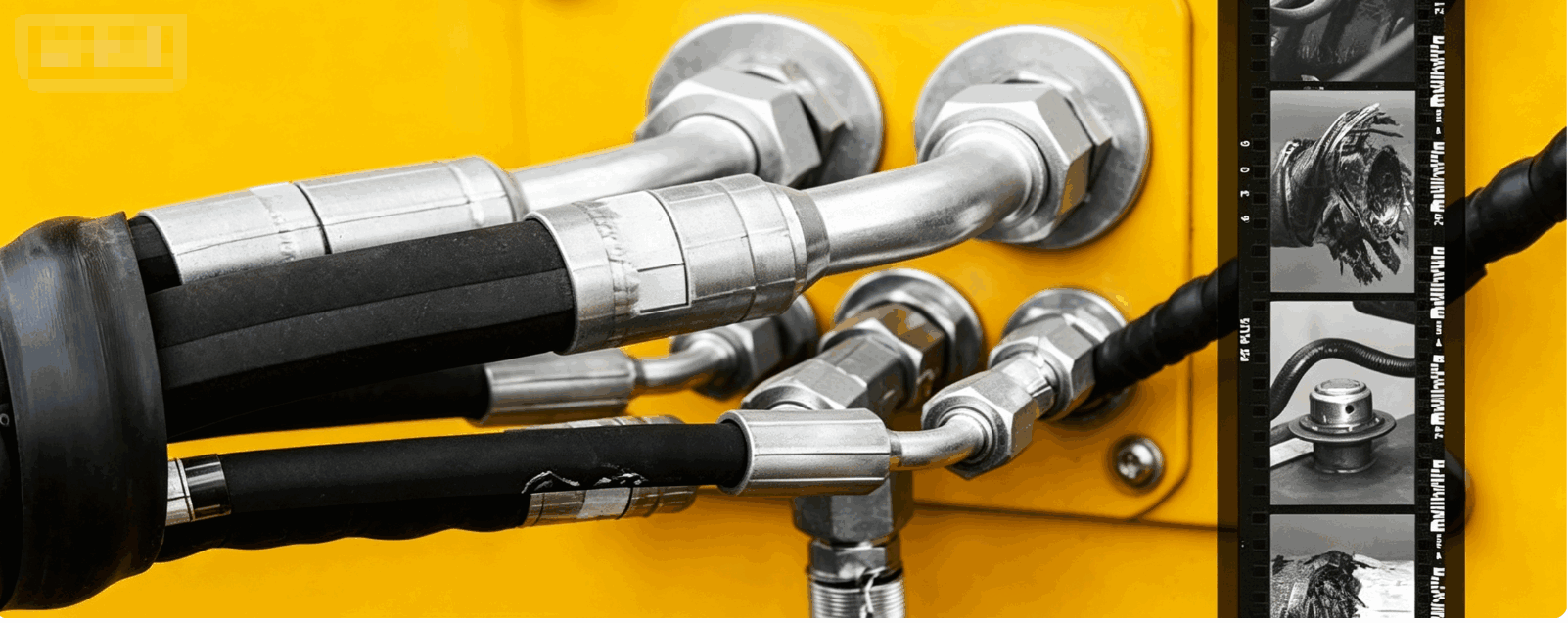
UHP Hydraulic Hose Technology: Standards, Applications, and Selection

- 1. What Is an Ultra-High-Pressure Hydraulic Hose?
- 2. Why Demand for UHP Hydraulic Hoses Is Increasing
- 3. Key Materials Used in UHP Hydraulic Hoses
- 4. Pressure Ratings and Performance Standards
- 5. Braided vs. Spiral Reinforcement
- 6. Ultra-High-Pressure Resin Hoses
- 7. Key Performance Specifications
- 8. Applications of UHP Hydraulic Hoses
- 9. How to Select the Right UHP Hydraulic Hose
- 10. Emerging Trends in UHP Hydraulic Hose Technology
- 11. Maintenance and Safety Best Practices
- 12. Conclusion
What Is an Ultra-High-Pressure Hydraulic Hose?
Modern construction machinery, oil and gas systems, and mining equipment operate at increasingly higher hydraulic pressures to improve power density, efficiency, and overall system performance. As operating pressures continue to rise, traditional high-pressure hydraulic hoses are approaching their technical limits, particularly under demanding conditions such as high impulse cycles, extreme temperatures, and severe mechanical stress. This comprehensive industry guide explores ultra-high-pressure (UHP) hydraulic hose technology, covering definitions, materials, structural design, performance standards, applications, and selection criteria from a professional engineering perspective.
An ultra-high-pressure hydraulic hose is designed to operate at working pressures typically equal to or exceeding 6,000 psi (approximately 400 bar). Common pressure ratings for UHP hoses include 6,000 psi, 10,000 psi, 15,000 psi, and up to 20,000 psi, depending on the hose structure, reinforcement layers, and specific application requirements. In practical terms, high-pressure hydraulic systems generally operate from 250 bar up to and above 500 bar, depending on hose design and applicable standards.
It is crucial to understand the distinction between working pressure and burst pressure. Working pressure represents the maximum continuous operating pressure the hose can safely sustain, while burst pressure is the pressure at which hose failure occurs. UHP hydraulic hoses are engineered with strict safety margins, typically a 4:1 safety factor, ensuring reliable performance and enhanced safety in critical, high-risk applications.
Why Demand for Ultra-High-Pressure Hydraulic Hoses Is Increasing
Several key factors are driving the growing demand for UHP hydraulic hose technology across heavy industries:
- Growth of Heavy Construction and Mining Equipment: Large excavators, drilling rigs, and mining loaders now operate under higher system pressures to deliver more force within limited space. This shift toward compact hydraulic system design places greater stress on hydraulic components, making UHP hoses essential for maintaining performance, safety, and long service life under continuous heavy-duty operation.
- Oil & Gas and Energy Applications: In the oil and gas and energy sectors, UHP hydraulic hoses are widely used for high-pressure injection systems, wellhead control, and offshore hydraulic equipment. These applications involve extreme operating conditions, including elevated temperatures, corrosive fluids, and severe pressure impulse cycles that standard hoses struggle to meet.
- Efficiency and System Downsizing: Operating at higher pressures allows hydraulic systems to use smaller hose diameters, reducing overall system weight and energy consumption. As a result, manufacturers must continuously upgrade materials, design methods, and production technologies to support this growing demand for ultra-high-pressure performance.
Key Materials Used in UHP Hydraulic Hoses
The performance and reliability of an ultra-high-pressure hydraulic hose depend heavily on the materials used in its construction. Each layer must be engineered to withstand extreme internal pressure, pressure impulses, and harsh operating environments while maintaining long-term stability.
Inner Tube Materials
The inner tube is responsible for fluid compatibility and pressure containment. Synthetic rubber compounds such as NBR (nitrile butadiene rubber) and HNBR (hydrogenated nitrile butadiene rubber) are commonly used due to their excellent resistance to petroleum-based hydraulic fluids and mechanical stress. For applications involving aggressive chemicals, elevated temperatures, or low permeability requirements, thermoplastic liners such as PTFE (polytetrafluoroethylene) or polyamide (PA) are preferred.
Reinforcement Layer
The reinforcement layer provides the strength to withstand high pressures and comprises multiple layers of high-strength steel wire. For ultra-high-pressure applications, spiral wire reinforcement is the predominant choice, featuring two or more sets of helically wrapped high-tensile wire. Advanced designs now incorporate four to six layers of steel wire spirals for extreme pressure applications. Emerging innovations also include carbon fiber reinforced layers, which can reduce weight by up to 30% while maintaining equivalent pressure-bearing capacity compared to traditional steel-wire hoses.
Outer Cover
The outer cover protects the hose from abrasion, weather, UV radiation, and chemical exposure. Common materials include synthetic rubber (neoprene, chloroprene), polyurethane, and polyamide. For mining and demolition applications where extreme abrasion is a concern, hoses with reinforced or thicker covers are recommended.
Pressure Ratings and Performance Standards
A thorough understanding of performance standards is essential for proper specification of UHP hydraulic hoses.
The table below summarizes the pressure ratings for common UHP hose types:
| Hose Standard | Reinforcement Structure | Typical Working Pressure | Common Applications |
|---|---|---|---|
| SAE 100R12 | 4 spiral steel wire layers | ~ 280–350 bar (4,100–5,000 psi) | Heavy construction, mining, excavators |
| SAE 100R13 | Multi-spiral steel wire | ~ 350–420 bar (5,000–6,100 psi) | High-impulse hydraulic systems |
| SAE 100R15 | Heavy-duty spiral wire (6 layers) | ~ 420–500+ bar (6,100–7,250+ psi) | Ultra-high pressure, critical systems |
| EN 856 4SP | Multi-spiral steel wire | ~ 350 bar (5,000 psi) | European equipment, excavators |
| EN 856 4SH | Heavy spiral steel wire | ~ 420 bar (6,100 psi) | Mining, heavy-duty machinery |
| ISO 18752 CC Class | Spiral or braided reinforcement | Up to 4,100–6,100 psi | Global standard, increasing adoption |
Sources: SAE specification data
ISO 18752:2025 is the latest international standard for wire- or textile-reinforced single-pressure type hydraulic hoses. It specifies requirements for ten classes, four grades, and seven types of hoses and hose assemblies for nominal sizes ranging from 5 to 102. Each class features a single maximum working pressure for all sizes, suitable for oil-based fluids at temperatures from -40°C to +100°C or -40°C to +120°C depending on the type.
Braided vs. Spiral Reinforcement: Critical Comparison
The choice between braided and spiral reinforcement is fundamental to UHP hose selection for heavy equipment.
Spiral Wire Reinforcement is the preferred construction for ultra-high-pressure applications. Spiral hoses typically feature four to six layers of high-tensile steel wire spirally wound in alternating directions, providing exceptional burst resistance and ability to withstand extreme impulse cycles. Compared to braided hose, spiral wire experiences less tensile play inside the finished hose, which makes the final product quite stiff but offers superior pressure capacity. Spiral hoses are ideal for high-pressure systems with frequent pressure surges, such as hydrostatic drives, large off-road dump trucks, and mining excavators.
Braided Wire Reinforcement, by contrast, uses one or more layers of high-tensile steel wire woven in a crisscross pattern around the tube. This construction provides greater flexibility and a tighter bend radius, making it ideal for applications requiring tight routing or frequent articulation. However, braided hoses generally have lower pressure ratings than spiral hoses of comparable diameter.
For UHP applications—typically exceeding 5,000 psi—spiral reinforcement is the standard choice, as it delivers the robust construction and impulse fatigue resistance required by the most demanding industries, including mining, offshore drilling, and ultra-high-pressure waterjet cutting.
Ultra-High-Pressure Resin Hoses
In addition to steel-reinforced rubber hoses, ultra-high-pressure resin (thermoplastic) hoses have emerged as a specialized technology for the most extreme applications. These hoses feature thermoplastic inner tubes (polyamide or POM) reinforced with multiple layers of high-strength steel wire spiral, with polyurethane or polyamide covers. They offer low fluid resistance, small volumetric expansion, excellent chemical corrosion resistance, and lightweight construction.
Advanced UHP resin hoses are capable of operating at pressures up to 4000 bar (58,000 psi), enabling applications such as ultra-high-pressure waterjet cutting, hydraulic demolition, and precision cleaning systems. For example, some series are rated for 180 MPa (approximately 26,100 psi) continuous operation, making them ideal for mega-ton presses, hydraulic breakers, and heavy-duty tensioners.
Key Performance Specifications
When evaluating UHP hydraulic hoses, the following performance metrics should be considered:
| Specification | Typical UHP Range | Critical Consideration |
|---|---|---|
| Working Pressure | 400–4,000+ bar (6,000–58,000+ psi) | Must exceed maximum system pressure |
| Safety Factor | 4:1 (burst/working) | Industry standard for critical applications |
| Temperature Range | -40°C to +121°C (standard); -40°C to +70°C (water-based fluids) | Verify compatibility with fluid and ambient conditions |
| Volumetric Expansion | <1.2% @ 180 MPa | Critical for precise control systems |
| Minimum Bend Radius | Size-dependent; generally larger for spiral hoses | Impacts routing flexibility |
| Impulse Cycle Rating | Varies by construction | Essential for high-cycle equipment |
Note: Specifications vary by manufacturer and product series.
Applications of Ultra-High-Pressure Hydraulic Hoses
UHP hydraulic hoses serve a wide range of demanding industries:
| Industry | Specific Applications |
|---|---|
| Construction & Mining | Excavators, drilling rigs, hydraulic breakers, loaders, bulldozers, large off-road dump trucks |
| Oil & Gas | High-pressure injection systems, wellhead control, offshore hydraulic equipment, fracturing operations |
| Industrial Manufacturing | Hydraulic presses, injection molding machines, heavy-duty tensioners, testing devices |
| Waterjet Cutting & Cleaning | Concrete demolition, pipeline cutting, steel and paper cutting, industrial tank and vessel cleaning, heat exchanger maintenance |
| Aerospace & Defense | Aircraft hydraulic systems requiring lightweight, high-strength hoses |
| Bolt Tensioning Systems | Onshore and offshore bolt tensioners, hydraulic torque wrenches |
| Pressure Testing | Valve control systems, hydraulic control panels, maintenance tools |
| Marine & Offshore | Dredging, port equipment, offshore drilling platforms |
How to Select the Right UHP Hydraulic Hose
Choosing the correct UHP hose requires evaluation of several critical factors:
- Working Pressure: Select a hose whose working pressure exceeds the system's maximum operating pressure, including pressure spikes. Also verify the burst pressure rating (typically 4× working pressure).
- Operating Temperature: Consider both fluid temperature and ambient environmental temperature. For cold applications down to -40°C, ensure hose flexibility is maintained. For high-heat applications, verify continuous and intermittent temperature limits.
- Fluid Compatibility: Ensure the inner tube material is compatible with the hydraulic fluid type (mineral oil, synthetic ester, water-glycol, or other specialized fluids). For chemically aggressive fluids, PTFE or polyamide liners are recommended.
- Hose Size (Inside Diameter): Size the ID to achieve appropriate flow velocity (typically 15–25 ft/s for pressure lines) and minimize pressure drop. Larger IDs reduce velocity at the same flow rate.
- Reinforcement Type: For UHP applications exceeding 5,000 psi or with high impulse cycles, spiral wire reinforcement is required. For medium-high pressure with tight space constraints, braided reinforcement may suffice.
- Minimum Bend Radius: Ensure the hose routing does not require bends tighter than the manufacturer's specified MBR, which would cause reinforcement damage and premature failure.
- Cover Material and Protection: For abrasive environments (mining, demolition, recycling), select hoses with polyurethane or extra-thick synthetic rubber covers, or add external abrasion sleeves and spiral wrap.
- Certification and Compliance: Verify that the hose meets applicable standards (SAE, EN, ISO, MSHA where required) for your region and equipment.
Emerging Trends in UHP Hydraulic Hose Technology
The UHP hydraulic hose market is evolving rapidly, driven by technological innovation and industry demands. The global ultra-high-pressure hydraulic rubber hose market was valued at approximately USD 883 million in 2025 and is projected to reach USD 1,216 million by 2032, representing a compound annual growth rate (CAGR) of 4.8%. Key trends include:
- Lightweight Materials: Development of carbon fiber and aramid fiber reinforcements that reduce weight without compromising pressure capacity, critical for mobile equipment fuel efficiency.
- Compact Designs: “Reduced dimension” spiral hoses featuring four- to six-layer high-tensile steel wire spiral structures with optimized synthetic rubber inner tubes, providing smaller outer diameters and tighter bend radii.
- Enhanced Abrasion Resistance: Specialized cover compounds and protective technologies extending hose life in harsh environments such as mining, construction, and forestry operations.
- Digital Integration and Condition Monitoring: Growing integration of hoses with predictive maintenance systems and real-time monitoring for critical applications.
- Higher Pressure Capabilities: Continuous development of hoses rated for increasingly higher pressures, driven by demand from oil and gas exploration, deep-sea equipment, and high-performance industrial systems.
Maintenance and Safety Best Practices
Proper maintenance is essential for maximizing the service life of UHP hydraulic hoses and ensuring safe operation:
- Conduct daily visual inspections for cover damage, cuts, bulges, leaks, or signs of abrasion
- Verify that operating pressures remain within the hose's rated working pressure
- Ensure hose routing does not exceed minimum bend radius, especially at fitting connections
- Replace hoses proactively at manufacturer-recommended intervals or at the first sign of reinforcement exposure
- Never use the hand to check for hydraulic fluid leaks (pinhole leaks can inject fluid through the skin, causing severe injury)
- Always release system pressure before disconnecting or replacing any hose
- Use only manufacturer-approved fittings and crimping specifications; never mix brands
Conclusion
Ultra-high-pressure hydraulic hoses are indispensable components that enable modern construction, mining, oil and gas, waterjet cutting, and industrial manufacturing equipment to operate at increasingly higher pressures. By understanding the distinctions between braided and spiral reinforcement, the importance of proper material selection, the applicable performance standards (SAE, EN, ISO), and the critical selection criteria, professionals can make informed decisions that enhance safety, reliability, and system longevity. As the industry continues to advance toward higher pressure systems and more demanding operating conditions, staying informed about emerging technologies and best practices will be essential for maintaining competitive advantage and operational excellence.
Hydraulic Hose Sleeves: A Complete Guide to Types, Protection, and Safety
Extreme Temperature Effects on Mining Hydraulic Hoses: Heat vs. Cold Performance Guide