5 Essential Tips for Choosing the Right Earthmover Tires for Your Equipment

Understanding Earthmover Tires
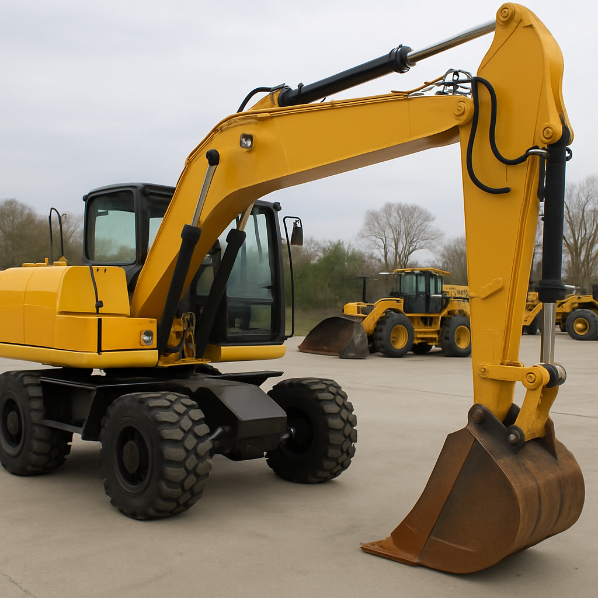
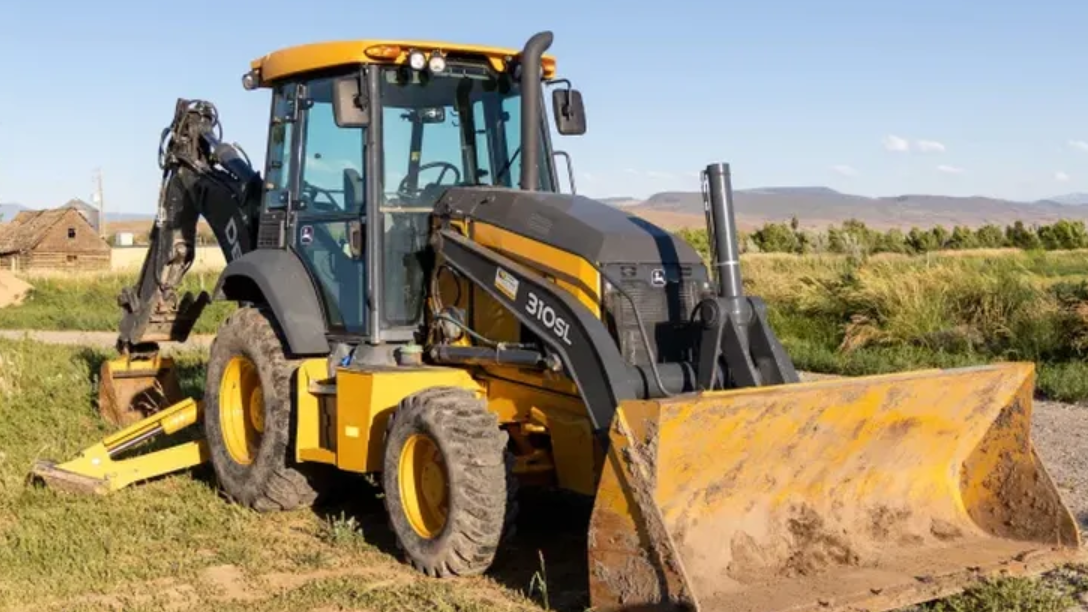
Earthmover tires are critical components of heavy machinery, particularly in construction and mining. They support enormous weights and endure challenging terrains.
Choosing the right type requires understanding the various options available. Radial and bias-ply tires each offer distinct advantages, like fuel efficiency and durability.
Consider these elements when selecting earthmoving tyres:
- Load capacity
- Tread pattern
- Terrain conditions
By understanding these factors, you can make an informed decision. The right choice will enhance your machinery's performance and safety.
What are Earthmover Tires?
Earthmover tires are specialized heavy equipment tires designed for construction and mining machines. They handle large loads and rough terrains.
Types of Earthmoving Tyres
Several types of earthmoving tyres exist, suited for varying needs. The main categories are radial and bias-ply tires. Radials provide a smooth ride, while bias-ply offers robustness.
- Radial tires
- Bias-ply tires
Both types serve different purposes and environments.
Benefits of Quality Earth Moving Tires
Quality earth moving tires provide increased safety and efficiency. They reduce downtime and improve traction on rough surfaces. High-quality tires have various advantages.
- Enhanced performance
- Longer lifespan
Investing in premium tires can lead to cost savings and boosted equipment productivity.
Assessing Your Equipment Requirements
Selecting the correct earthmover tires involves more than just picking a brand or model. It requires a thorough understanding of your equipment's needs and limitations. Identifying these factors ensures optimal performance and reduces costly downtime.
Key aspects to consider include:
- Equipment type
- Load capacity
- Terrain conditions
Each element plays a crucial role in determining the most suitable tires. Failure to align the tires with these requirements could result in inefficiency and increased maintenance costs.
Matching Tires to Equipment Type
Different equipment needs different tires. For example, loaders require tires that offer traction and stability. Always ensure the tires match the machine's specifications.
Load Capacity Considerations
Load capacity is vital when selecting earthmover tires. Overloading tires can lead to accidents and damage. Choose tires that can handle the equipment's weight, including its maximum payload.
Terrain Evaluation
Understanding the terrain is key to choosing the right tires. Hard surfaces need different tires compared to soft or rocky terrains. Analyze the work environment carefully for the most suitable earth moving tires.
Factors to Consider When Choosing Tires
Selecting the right earthmoving tyres involves several key factors. These affect the performance, safety, and longevity of your tires.
Focus on these aspects when making your decision:
- Tread patterns
- Rubber composition
- Tire size and compatibility
Each factor can greatly influence your machine's efficiency. Overlooking them could result in poor equipment performance and increased costs. Consider these elements carefully to maximize productivity and safety.
Tread Patterns and Their Importance
The tread pattern impacts traction, stability, and wear rate. Different patterns suit different terrains and weather conditions. Common patterns include:
- Block pattern for solid surfaces
- Ribbed pattern for traction on loose soil
- Lug pattern for superior grip in muddy terrain
Rubber Composition and Durability
Rubber compounds affect tire durability. Tougher compounds resist cuts and punctures but may wear quickly. Choose a compound that balances toughness and longevity based on the operating environment.
Tire Size and Compatibility
Tire size must match the equipment specifications for optimal performance. Incorrect size can lead to instability and increased wear. Verify the manufacturer’s guidelines to ensure compatibility. Proper sizing enhances safety and prolongs tire life.
Maintenance Tips for Longevity
Ensuring your earthmoving tires last requires regular maintenance. Well-maintained tires can improve safety and reduce operational costs significantly. Here are some maintenance tips to follow:
- Perform regular inspections and pressure checks
- Practice proper cleaning and storage
- Be vigilant about identifying wear signs
These practices will prolong tire life and enhance performance. Maintenance must be a routine part of equipment management to prevent issues before they arise.
Regular Inspections and Pressure Checks
Checking tire pressure regularly helps prevent premature wear. Inspections can identify issues like cuts or bulges early, safeguarding equipment operation.
Cleaning and Storage Practices
Regular cleaning removes debris that can cause damage. Proper storage of unused tires prevents degradation from exposure to elements, extending their usable life.
Identifying Signs of Wear
Look for uneven tread wear or cracks. These signs indicate tire problems and should be addressed swiftly to avoid equipment failure.
Conclusion
Choosing the right earthmover tires is crucial for equipment performance. The right choice reduces downtime and enhances safety.
By considering equipment needs and tire features, operators can make informed decisions that improve efficiency and longevity.
Summary of Key Points
Quality earthmover tires boost performance, reduce costs, and enhance safety.
Importance of Making an Informed Choice
An informed tire choice maximizes productivity and ensures long-term operational benefits.
Choosing the Right Back Tires for Backhoe: A Comprehensive Guide
Open-Pit Mining and Major Loader Types with Compatible Tire Types