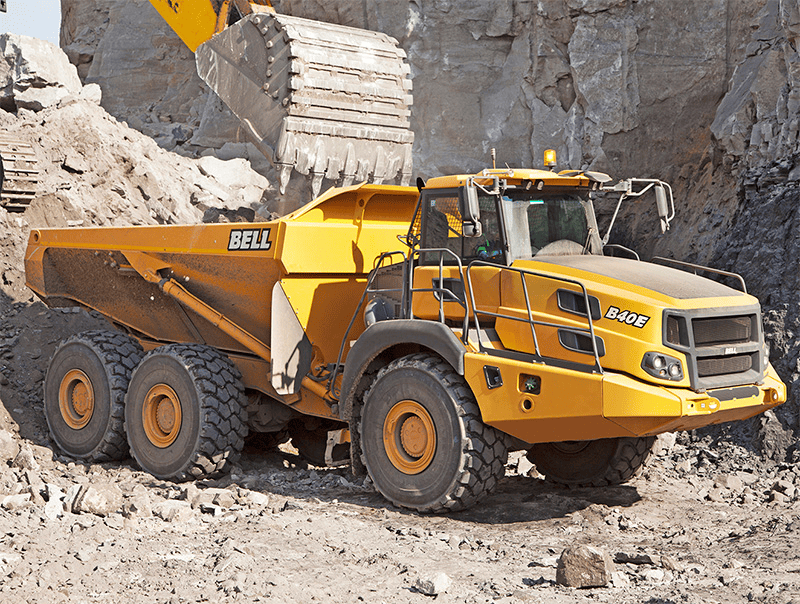
Articulated Dump Trucks and Matching Tires: A Practical Guide
1. Key Traits of the Tires
The dump truck tires fitted on these machines are built around several non-negotiable features for survival:
-
Exceptional Load-Bearing Capacity: To carry massive loads, these tires have a high ply rating (PR), often 20PR or more, ensuring a robust build that can handle immense weight.
-
Superior Cut and Wear Resistance: Sharp, rocky ground is a tire's worst enemy. That's why these tires use deeper tread patterns and special rubber compounds designed to resist cutting and puncturing.
-
Outstanding Traction and Self-Cleaning: On soft, muddy surfaces, deep, well-designed grooves are vital. They eject mud and prevent stone retention, maintaining constant grip and preventing the vehicle from getting stuck.
-
Reinforced Carcass Structure: To cope with high loads and impacts, the tire's internal structure is fortified, often with reinforced bead areas to prevent deformation and damage, boosting overall rigidity.
2. Common Models and Their Tire Specifications
The right dump truck tire size is crucial and is matched to the vehicle's load capacity and specific working conditions. Below is a reference for some common models:
| Model | Tire Specification |
| ORIEMAC XDA45, Caterpillar 745C | 29.5R25 |
| Volvo A40E Articulated Hauler | 26.5R25 |
| Zhonghuan Power BZK A300D Articulated Truck | 23.5R25 |
For rock truck tires operating in especially harsh environments like mines, even larger sizes are common. For instance, the massive Caterpillar 797 uses gigantic 59/80R63 tires.
3. How to Choose Tires Based on Working Conditions
Selecting the correct articulated hauler tires is all about matching them to your specific ground conditions. Failure to do so is a leading cause of premature tire failure.
-
Analyze the Ground Surface:
-
Rocky Ground: Prioritize cut and impact resistance. Choose tires with hard rubber compounds and robust, solid tread blocks.
-
Mixed Surfaces (Asphalt & Dirt): Opt for an "all-rounder" tread pattern that balances drive performance and resistance to irregular wear.
-
Soft, Muddy Ground: Traction is king. Choose tires with deep, wide-spaced grooves and excellent self-cleaning properties.
-
-
Consider Total Lifetime Cost: The initial purchase price is just one part of the equation. A more professional approach is to calculate the "cost per hour" or "cost per kilometer," factoring in the tire's purchase price, service life, fuel efficiency, and downtime caused by punctures. A higher-quality tire often proves more economical in the long run.
4. Final Purchasing Advice
Choosing the right articulated dump truck tires is a balancing act between wear resistance, puncture resistance, traction, and cost.
Here are three core recommendations:
-
Prioritize Job Site Match: There's no universal tire. The best tire is the one that best suits your specific ground conditions.
-
Focus on Long-Term Cost: Look beyond the price tag. Calculate the total lifetime cost; high-quality tires are usually a more economical choice over time.
-
Standardize Use and Maintenance: Regularly check and maintain correct tire pressure. Proper driving habits can maximize tire performance and extend service life.
By carefully considering the dump truck tire size and type for your articulated hauler tires, you ensure optimal performance and durability for your heavy-duty rock truck tires.
4 Essential Tips for Choosing the Right Front End Loader Tires