The Complete Guide to Backhoe Tires: Front, Rear, and Cost Considerations
1. The Critical Roles: Front vs. Rear Tires
Understanding the distinct jobs of each axle's tires is the first step to proper selection.
-
Backhoe Rear Tires: The Anchor of Power
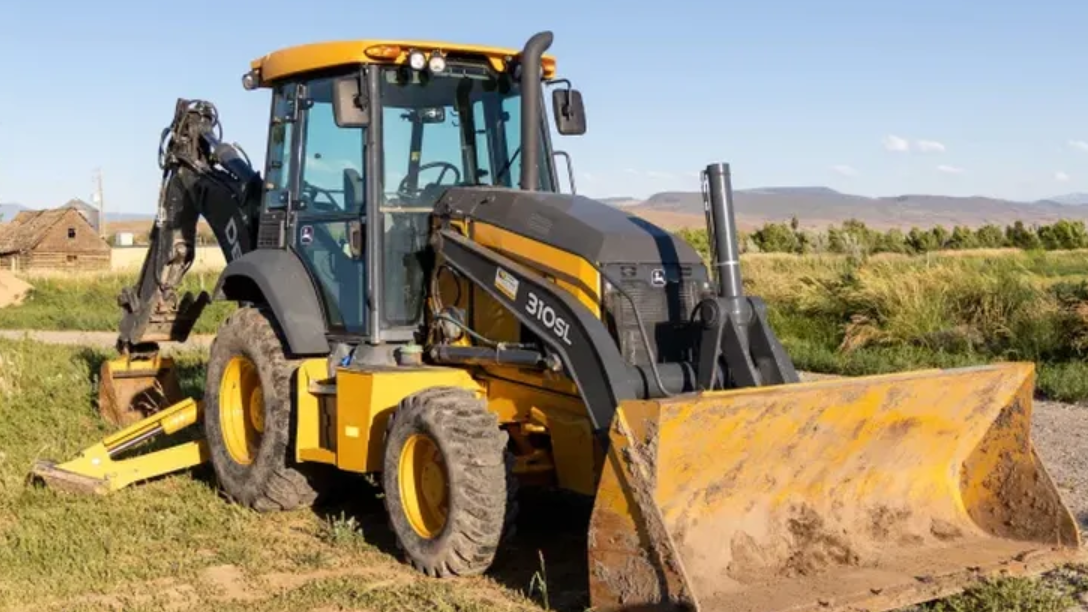
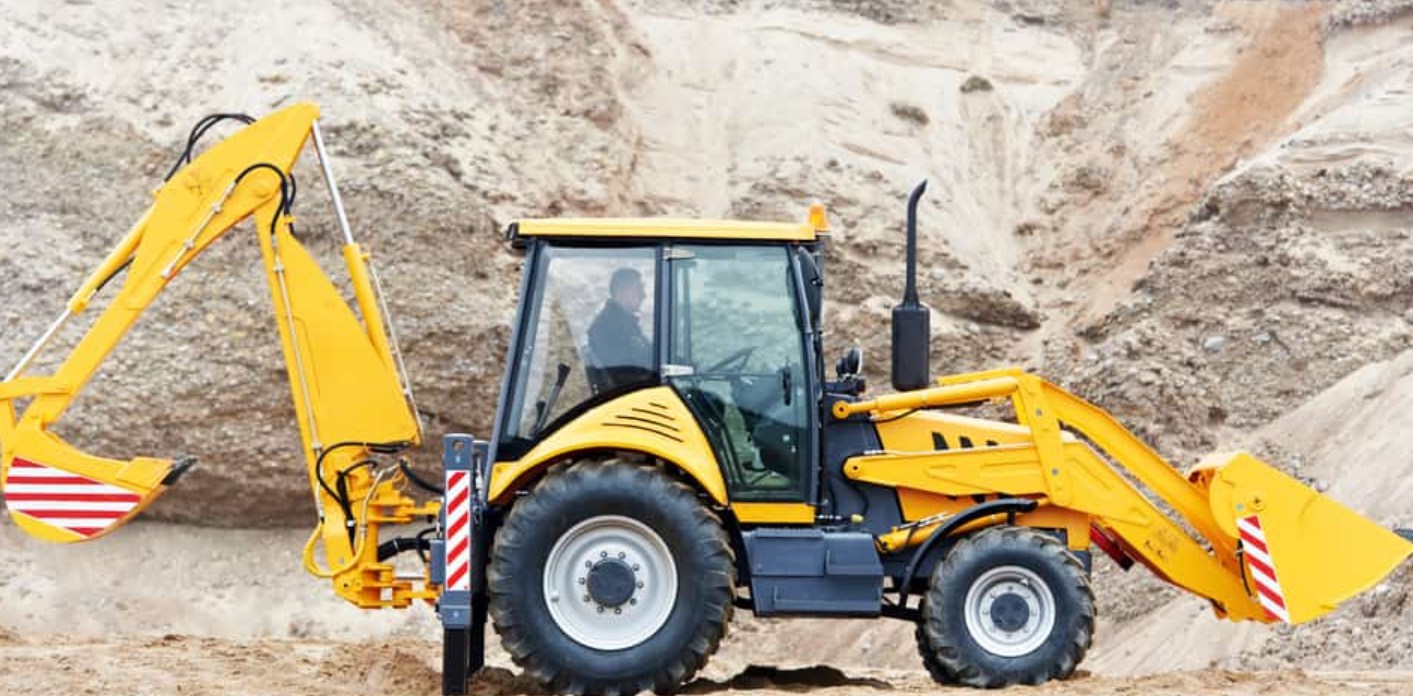
The backhoe rear tires bear the brunt of the machine's most demanding work. During trenching and excavation, they must provide immense traction and act as a stable counterweight, resisting the powerful forces generated by the backhoe. For this reason, backhoe rear tires are typically larger, have deeper, more aggressive treads (like an R-1 or deep-tread R-4 pattern), and are built with stronger casings to handle high torque and potential shock loads. -
Backhoe Front Tires: The Pillars of Stability and Maneuverability
The backhoe front tires are primarily responsible for steering, braking, and supporting the loader bucket's load. They require excellent stability, sidewall strength for lateral forces during turning, and a tread pattern that provides good traction for pushing and loading without being overly aggressive. A common, multi-purpose pattern like a standard R-4 is often suitable for the backhoe front tires.
2. Key Factors Influencing Backhoe Tires Price
The backhoe tires price can vary significantly based on several technical and market factors:
-
Tire Size and Ply Rating: Larger tire dimensions (e.g., 17.5L-24) and higher ply ratings (e.g., 12PR, 14PR) command a higher price due to increased material use and greater load-bearing capacity.
-
Tread Pattern and Compound: Specialized, deep-lug tires for extreme conditions cost more than general-purpose industrial treads. Premium cut-and-chip resistant compounds also add to the cost but offer far better longevity in abrasive environments like rock quarries.
-
Brand and Quality Tier: Major established brands typically have a higher price point based on R&D, quality control, and warranty support. Budget-friendly alternatives may offer initial savings but can lead to higher long-term costs due to faster wear or failure.
-
Supply and Market Conditions: Like all heavy equipment components, prices for backhoe tires price are influenced by raw material costs (rubber, steel cord) and logistical factors.
3. How to Select the Right Tires for Your Machine and Budget
Making the best choice involves matching the tire to your primary application:
-
For Mixed-Use/General Contracting: A standard R-4 (Industrial) tread pattern on both axles offers a proven balance of on-road mobility, wear life, and off-road traction. This is often the most cost-effective and versatile solution.
-
For Soft Ground and Farming: An R-1 (Agricultural) deep-lug pattern on the backhoe rear tires provides maximum traction in mud and loose soil. The front tires can remain R-4 for better steering control.
-
For Demolition and Rocky Terrain: Prioritize tires with reinforced sidewalls and premium cut-resistant compounds. While the upfront backhoe tires price is higher, the extended service life and reduced downtime provide a better total cost of ownership.
4. Maximizing Your Investment: Tips for Longer Tire Life
Protecting your investment goes beyond the initial purchase:
-
Maintain Proper Inflation: This is the single most important practice. Underinflated tires generate excess heat and flex, leading to premature failure. Overinflated tires reduce traction and are more prone to impact damage.
-
Conduct Regular Inspections: Check for cuts, cracks, uneven wear, and embedded debris daily.
-
Practice Good Operating Habits: Avoid spinning tires excessively, making sharp turns at speed, and impacting curbs or rocks.
Conclusion
Selecting the optimal backhoe rear tires and backhoe front tires is a strategic decision. By understanding their distinct roles, carefully evaluating the factors that drive backhoe tires price, and choosing a specification tailored to your specific working conditions, you can significantly enhance your machine's performance and efficiency. Remember, the cheapest tire upfront is rarely the most economical over the lifespan of your backhoe. Invest in quality, maintain them diligently, and your tires will pay you back with reliable service and lower cost per hour.
The Ultimate Guide to 23.5-25 Loader Tires: Specs, Applications & Value
The Complete Guide to Roller Tires: Selection & Maintenance