Press-On Solid Rubber Forklift Tires and Press-On Solid Tires: A Comprehensive Guide for Warehouse Managers
Press-on solid rubber forklift tires and press-on solid tires are essential for efficient warehouse operations. They offer durability, safety, and cost-effectiveness,
making them a preferred choice for many managers.This guide will explore the benefits and features of these tires. It will help warehouse managers make
informed decisions for their equipment needs, ensuring smooth and reliable operations.
Introduction to Press-On Solid Tires
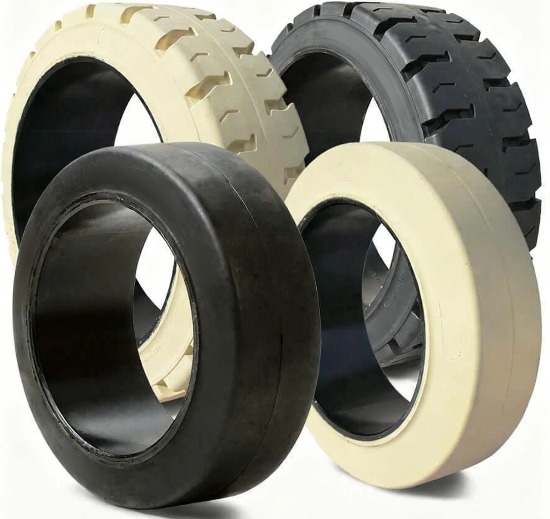
Press-on solid tires are designed specifically for industrial use, such as in warehouse environments. They differ from pneumatic tires by being made of solid
rubber, eliminating air and the risk of punctures.
Warehouse managers favor them for their long life and low maintenance needs. Key features of press-on solid tires include:
-
Excellent stability and load-bearing capacity
-
Resistance to chemicals and oils
-
Availability in different compounds for varied uses
Benefits of Using Press-On Solid Tires
Press-on solid tires offer numerous advantages for warehouse operations. Their solid construction means they do not puncture, which boosts safety. Plus,
they have a longer lifespan compared to pneumatic options, reducing tire replacement costs.
Warehouse managers appreciate the reduced downtime from less maintenance. These tires also provide excellent stability, which is crucial for transporting
heavy loads. Additional benefits include:
-
Cost-effectiveness over time
-
Compatibility with various forklift models
-
Traction on dry surfaces for improved efficiency
Selecting press-on solid tires can lead to a smoother operation, making them a wise choice for cost-sensitive managers.
Comparing Solid Press-On Forklift Tires to Other Tire Types
Solid press-on forklift tires excel in specific environments. Unlike pneumatic tires, they don't require air, eliminating the risk of flats. This feature enhances
safety in busy warehouses where downtime is costly.
Pneumatic tires, however, offer a smoother ride on uneven terrains. This makes them a better option for outdoor or less polished surfaces. But, they need
more maintenance due to potential punctures.
Cushion tires, often used indoors, share similarities with press-on solids. While both provide stability, press-on tires are more durable and cost-effective.
Key points of comparison include:
-
Maintenance needs
-
Initial cost vs. long-term savings
-
Suitability for specific applications
These differences guide managers in selecting the right tire type based on operational needs.
Selection Criteria for Press-On Solid Rubber Tires
Choosing the right press-on solid rubber tires involves several considerations. Start by assessing the operational environment and load-bearing needs.
Understanding these factors ensures compatibility with your forklifts and warehouse conditions.
Next, evaluate specific tire features. Consider compound type, traction requirements, and any special environmental considerations. Key criteria include:
-
Load capacity and stability
-
Floor surface compatibility
-
Resistance to chemicals and temperature changes
These elements help optimize performance and longevity. Making an informed choice not only enhances safety but also boosts operational efficiency in
your warehouse.
Conclusion and Recommendations
Press-on solid rubber forklift tires offer numerous benefits for warehouses. They provide durability and reliability, helping to cut down on maintenance
costs over time. Their solid design makes them a safe choice, especially for heavy-duty environments.
Warehouse managers should carefully consider their operational needs before selecting tires. Evaluate factors like load requirements and environmental
conditions to ensure optimal tire performance. Investing in quality press-on solid tires can improve forklift efficiency and operational safety.
Overall, press-on solid tires are a cost-effective and environmentally friendly option. They not only support smooth operations but also contribute to lower downtime.
Managers should prioritize these tires to enhance their warehouse operations and achieve greater efficiency.
Built for the Extreme: How Solid Tires Are Engineered for the Toughest Port and Construction Sites
The Ultimate Guide to Solid Tires: A Comprehensive Analysis from Core Principles to Global Procurement