What Are Solid Tires and Why You Should Consider Them?

Solid tires are a game-changer in the world of industrial machinery. Unlike traditional tires, they are made entirely of rubber or similar materials. This unique construction offers several advantages, especially in demanding environments.
These tires are known for their durability and resistance to punctures. They eliminate the need for air pressure maintenance, making them a reliable choice for heavy-duty applications. This makes them particularly appealing for industries where downtime is costly.
While solid tires may have a higher upfront cost, their long-term benefits are significant. They offer a cost-effective solution by reducing maintenance needs and extending tire lifespan. Understanding these benefits can help you make informed decisions for your business.
Definition of Solid Tires
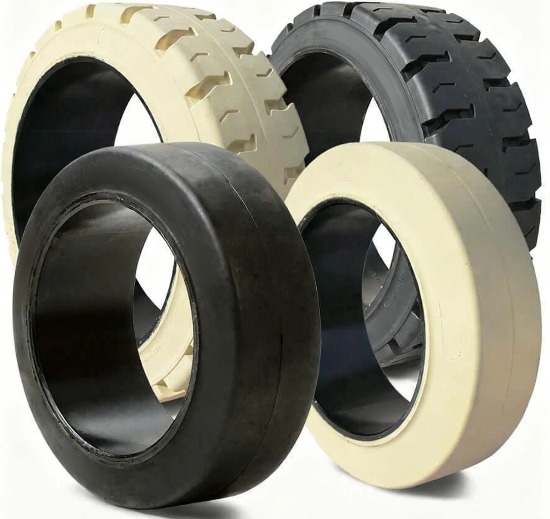
Solid tires are a type of non-pneumatic tire constructed from solid rubber or similar materials. Unlike their pneumatic counterparts, they lack inner air chambers. This design makes them inherently immune to punctures and flats, offering enhanced reliability in tough conditions.
Typically, solid tires are used in environments where sharp objects or debris are prevalent. Such features make them ideal for industrial settings. Their structure provides a heavy-duty performance crucial for specific applications.
Key characteristics of solid tires include:
- Complete rubber or resilient material construction
- Absence of air-filled cavities
- Resistance to punctures and flats
These attributes contribute to their growing popularity in heavy machinery industries.
Characteristics of Solid Tires
Solid tires boast several distinct features that set them apart. Their robust build ensures maximum tire durability and dependability under demanding conditions. This makes them a popular choice for industrial applications.
One of their standout qualities is the ability to support heavy loads without sacrificing performance. Their thickness and composition provide incredible stability and resilience. This makes them perfect for tough environments.
Primary characteristics of solid tires include:
- High load-bearing capacity
- Low maintenance demands
- Superior traction on diverse surfaces
These factors enhance the tire's lifespan and operational efficiency in various industrial contexts.
Durability of Solid Tires
The durability of solid tires is one of their biggest advantages. Constructed from dense materials, they withstand daily wear and tear efficiently. Their design also helps in dodging the constant threat of punctures. Because solid tires handle rough conditions well, they last longer than many alternatives.
For industries focused on reducing downtime, this durability is crucial. It ensures that operations run smoothly without frequent interruptions. Businesses find solid tires an excellent investment due to their long-term benefits.
Non-Pneumatic Tire Features
Non-pneumatic tires, like solid tires, are designed without internal air chambers. This gives them several key features.
- Elimination of air pressure checks
- Reduced risk of blowouts
- Consistent performance over time
These features aid in minimizing maintenance needs. They offer a dependable solution for environments laden with potential tire hazards. In essence, they simplify and strengthen operations where reliable tires are essential.
Solid Tires for Forklifts
Forklifts are essential in many industrial environments, and solid tires are often the preferred choice for them. Their construction is specifically beneficial for settings where heavy lifting and transport are routine. Solid tires provide forklifts with unmatched durability, ensuring they can carry loads with reduced risk of tire failure.
Moreover, solid tires improve safety and efficiency in high-traffic areas. They maintain their shape and balance, essential in narrow, busy aisles. Given these attributes, it's not surprising many businesses choose solid tires for their forklifts. Key benefits include:
- Puncture resistance
- Long lifespan
- Reduced maintenance requirements
This choice enhances productivity, enabling forklifts to operate smoothly even under challenging conditions.
Advantages of Solid Tires
Solid tires offer numerous advantages, particularly in demanding industrial settings. One of their most notable benefits is their resistance to punctures and flats. This resistance ensures minimal downtime in operations, which is crucial for maintaining productivity.
Additionally, they require less frequent replacements, adding to their overall appeal. The ability to perform reliably in harsh environments further emphasizes their value. Here are some key advantages of solid tires:
- High durability
- Minimal maintenance
- Stability and reliability
These features make solid tires a strategic choice for businesses looking to enhance efficiency and reduce operational costs over time.
Cost-Effectiveness
The cost-effectiveness of solid tires becomes clear when considering their longevity and low maintenance needs. Although the initial investment might be higher, savings accrue due to fewer replacements and repairs. Cost-effective benefits include:
- Fewer tire replacements
- Decreased maintenance expenses
- Extended usage lifespan
This long-term economic benefit makes solid tires an attractive option for budget-conscious businesses seeking durable tire solutions.
Industrial Applications
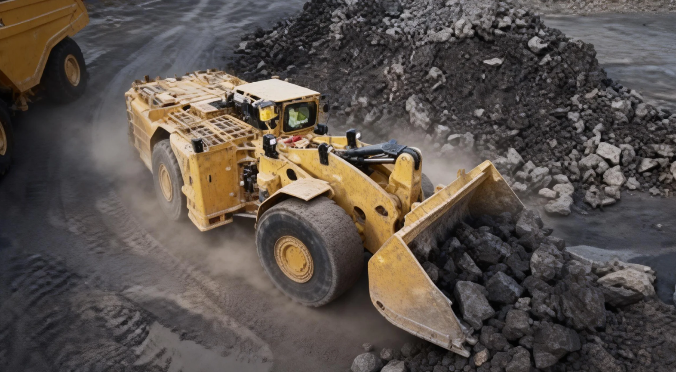
Solid tires are particularly suited to harsh industrial environments. They thrive in construction sites, warehouses, and manufacturing facilities, where reliability is paramount. These tires are engineered to withstand heavy use, making them indispensable in various industries. Typical applications of solid tires include:
- Construction machinery
- Warehouse equipment
- Manufacturing operations
Their robust design supports the rigorous demands of industrial work, ensuring machinery operates efficiently and safely across diverse environments.
Solid Tire vs Pneumatic Tire
When comparing solid tires with pneumatic ones, several distinct differences emerge. Solid tires are made entirely of durable materials like rubber, while pneumatic tires are air-filled. This fundamental difference gives each type unique advantages suited to various applications.
Solid tires excel in environments where punctures are a concern. Their robust construction eliminates the need for air pressure maintenance, ensuring consistent performance. Here's a quick look at their primary distinctions:
- Solid Tires: Puncture-resistant, low maintenance
- Pneumatic Tires: Softer ride, air pressure required
The choice between them often depends on specific operational needs and environmental conditions.
Performance Comparison
Performance varies significantly between solid and pneumatic tires. Solid tires are ideal for stability on rough terrains, making them reliable in harsh conditions. Pneumatic tires, conversely, offer a smoother, more cushioned ride. Key performance traits include:
- Solid Tires: Superior in durability and stability
- Pneumatic Tires: Preferred for smoothness on even surfaces
Ultimately, selecting the right type depends on prioritizing either rugged reliability or ride comfort.
Lifespan and Maintenance
The lifespan and maintenance requirements of solid tires generally surpass those of pneumatic ones. Solid tires boast a longer lifespan due to their robust design and minimal upkeep needs. In contrast, pneumatic tires require regular air pressure checks and are more prone to punctures. Consider these aspects:
- Solid Tires: Long-lasting, little maintenance
- Pneumatic Tires: Higher upkeep, shorter lifespan
By choosing solid tires, businesses can enjoy reduced maintenance and more extended use, contributing to operational efficiency.
Conclusion
Solid tires offer numerous advantages in industrial settings and other harsh environments. Their durability and resistance to punctures make them highly reliable for heavy machinery.
Choosing solid tires can lead to significant cost savings in the long run. They minimize downtime due to flats and require less maintenance. For businesses prioritizing durability and efficiency, solid tires present a compelling option worth serious consideration.
The Ultimate Guide to Solid Tires: A Comprehensive Analysis from Core Principles to Global Procurement
Solid Rubber Tires: An Efficient and Durable Solution for Industrial Applications