4 Essential Tips for Choosing the Right Front End Loader Tires
UNDERSTAND YOUR WORK ENVIRONMENT
Soil Types and Terrain
Choosing the right front end loader tires depends greatly on understanding the terrain and soil types where your machine operates. Different terrains pose unique challenges and require specific tire features. For instance, rocky or uneven surfaces demand durable and robust tires to withstand high pressure and avoid frequent punctures.
If your loader works predominantly in muddy or wet conditions, tires with deep tread patterns are essential. These treads improve traction and prevent slippage, reducing the risk of accidents and enhancing productivity. On the other hand, sandy environments can benefit from wider tires with broader treads to distribute weight evenly and minimize sinking.
Hard surfaces like concrete or asphalt might seem simpler in comparison but have their own set of demands. Solid loader tires are perfect for such environments. They offer longevity and stability without the risk of punctures—crucial for surfaces laden with debris or sharp objects.
It's not only about the surface type but also about the seasonality and occasional weather changes affecting the ground. Prepare for unexpected changes by selecting versatile tires that can handle variable conditions.
When selecting tires, think about these aspects of your work environment:
- Surface Type: Rocky, sandy, muddy, concrete.
- Traction Needs: High traction for wet/muddy vs. stability for solid ground.
- Durability Concerns: Frequent debris and sharp objects.
- Flexibility: Accommodate varying weather conditions and surface changes.
Ensuring your tires are well-suited for specific soil types and terrains helps maintain machine efficiency. This enhances safety and ultimately reduces downtime and maintenance costs, keeping your projects on schedule.
Climate Considerations
Climate plays a significant role in tire performance and lifespan. Extreme temperatures can affect tire elasticity, pressure, and overall function. Knowing the climate conditions where your equipment operates can help select the most suitable tires.
Cold climates require tires that retain their flexibility even at low temperatures. Tires specifically designed for cold weather can prevent cracking and brittleness. Conversely, in hot climates, look for tires with compounds that resist heat degradation, ensuring they maintain their integrity over time.
Rain is another environmental factor to consider. Areas with frequent rainfall or high humidity necessitate tires with excellent water dispersion capabilities. These are crucial to prevent slippage and maintain traction. Tires with smaller, closer treads often work best in rain, channeling water away efficiently.
In dry and arid regions, tires face challenges from dust and sand. These conditions require durable treads that resist wear caused by abrasive particles. The constant exposure to sand can accelerate tread wear, necessitating more frequent replacements if the wrong tire type is chosen.
Consider these climate factors when selecting loader tires:
- Temperature Extremes: Low (cold weather durability) vs. High (heat resistance).
- Humidity & Rainfall: Water dispersion and traction in wet conditions.
- Arid Conditions: Dust and sand resistance and longevity.
- Seasonal Changes: Adaptability to transitional weather conditions.
By evaluating these climate considerations, you can enhance tire longevity and performance. This decision-making can optimize safety and efficiency, leading to a more successful operation overall.
DETERMINE THE TIRE TYPE
Pneumatic vs. Solid Loader Tires
When selecting front end loader tires, choosing between pneumatic and solid loader tires is critical. Each type has distinct advantages and potential drawbacks that align with specific operational needs and conditions. Understanding these differences ensures that you select tires that enhance your equipment's performance.
Pneumatic tires are filled with air, providing exceptional traction and a smooth ride. This type of tire is ideal for rough terrains, where a little flexibility is advantageous. The air cushion absorbs shocks from bumps, reducing strain on the machine and the operator. However, the downside to pneumatic tires is their susceptibility to punctures. Sharp objects can easily damage them, leading to downtime and costly repairs.
Solid tires, on the other hand, offer a puncture-proof solution. Made entirely of rubber, they ensure durability and consistent performance even in the harshest environments. These tires are perfect for areas with sharp debris or industrial sites where reliability is paramount. However, they offer less cushioning than pneumatic tires, which can result in a rougher ride on uneven surfaces.
One must also consider foam-filled tires, which combine the flexibility of pneumatic tires and the reliability of solid tires. Foam-filling provides puncture resistance while maintaining some level of shock absorption, although they tend to be heavier. Consider if the added weight affects your equipment's efficiency and maneuverability.
Factors to deliberate when choosing between pneumatic and solid loader tires include:
- Durability: Consider the likelihood of encountering sharp debris.
- Traction Needs: Pneumatic for better traction; solid for sturdier surfaces.
- Ride Comfort: Pneumatic for smoothness; solid may offer a rougher ride.
- Maintenance: Pneumatic needs air checks; solid requires less frequent attention.
- Cost: Initial and long-term costs compared, including repairs.
Selecting the right tire type impacts not only the immediate functionality but also the long-term operational costs. Evaluating your primary work conditions can guide you toward a tire choice that aligns with your needs, maximizing efficiency and minimizing downtime.
Benefits of Front Loader Tires
Front loader tires are designed for strength, durability, and versatile performance. Selecting the appropriate tire can dramatically impact a loader's operational capabilities and project outcomes. It's essential to recognize the inherent benefits that these tires offer.
Front loader tires play a pivotal role in improving traction across various terrains. Their deep treads help grip the ground securely, reducing the risk of slippage and enhancing stability. This improvement in traction can lead to increased productivity and safety, particularly on slippery or uneven surfaces.
Another key benefit is longevity. High-quality loader tires are built to withstand extreme conditions. This durability translates to fewer replacements, saving both time and money in the long run. Investing in durable tires is a cost-effective approach, especially for heavy usage and challenging work environments.
Moreover, the right tires contribute to reduced machine wear. Enhanced absorption properties minimize vibration transmission to the loader. This not only improves operator comfort but also reduces mechanical wear, extending the equipment’s lifespan.
Cost-efficiency is an additional advantage, as appropriate tire choices can increase fuel efficiency. Proper traction reduces slippage, allowing more effective power transfer and less energy waste. This ultimately lowers operating costs, making the investment in quality tires worthwhile.
When evaluating the benefits of front loader tires, consider:
- Traction: Enhanced grip for increased safety and productivity.
- Longevity: Reduced replacement frequency, lower long-term costs.
- Machine Wear: Prolonged equipment life and improved comfort.
- Cost Efficiency: Improved fuel savings and operational efficiency.
- Suitability: Appropriate tires for specific terrains and climates.
Selecting front loader tires carefully results in notable performance improvements. These enhancements, alongside considerations for long-term savings, illustrate the importance of matching tire choice to operational needs.
CONSIDER LOAD CAPACITY
Weight Ratings for Loader Tires
Understanding weight ratings is crucial when selecting front end loader tires. Loader tires carry significant weight and must match the demands of your machinery and job site. Choosing tires with the correct weight capacity ensures safety and operational efficiency.
Every tire has a specific load rating determined by manufacturers. This rating indicates the maximum load a tire can safely support at a given air pressure. Using tires within their weight limits prevents overloading, which can lead to premature tire failure and safety hazards.
The load capacity required depends on the loader's total weight, including attachments and the materials handled. Always account for the heaviest possible load the equipment might carry. Failure to do so may lead to tire failure, causing downtime and repair costs.
An essential factor in determining weight ratings is tire ply rating or PR. This rating indicates the tire's strength and ability to carry weight. Higher ply ratings mean the tire can handle more weight, but they may also influence ride comfort and traction.
Additionally, consider the terrain and operation type when evaluating weight ratings. On rough or uneven surfaces, tires experience more stress, potentially requiring a higher load rating. Urban or indoor sites may have different requirements compared to open-field or quarry operations.
When evaluating weight ratings, consider:
- Manufacturers' Recommendations: Adhere to these for maximum load capacities.
- Load Flexibility: Know the heaviest load likely handled.
- Ply Rating: Balance between strength and ride quality.
- Overloading Risks: Stay within limits to avoid safety hazards.
- Application Environment: Adapt to terrain and operation specifics.
Properly rated loader tires enhance equipment performance and safety, reducing the likelihood of unexpected failures. This strategy supports smooth operations and longevity for both tires and equipment.
Impact of Load on Tire Selection
Load considerations heavily influence tire selection, playing a critical role in ensuring operational efficiency. Matching tires to load requirements prevents myriad issues, from premature wear to dangerous failures.
The loader's total carrying weight, including the machine, material, and any attachments, directly impacts tire choice. Tires must accommodate this combined load without exceeding their specified rating. Consistently overloading tires leads to deterioration and potential accidents.
Load influences the tire's wear pattern. Heavier loads result in faster tread wear, affecting traction and handling. Regularly check and rotate tires to distribute wear evenly, enhancing lifespan and performance.
Load conditions also affect tire inflation, crucial for pneumatic tires. Under-inflation under heavy loads increases heat buildup, risking blowouts. Conversely, over-inflation for lighter loads can decrease traction and stability, particularly on slick surfaces.
Consider the frequency and type of loads in your operations. Short, heavy loads may require different tire attributes than frequent, lighter loads. Align tire selection with typical work scenarios to optimize performance and reduce costs.
When assessing load impact on tire choice, consider:
- Total Load Calculation: Include all equipment and material weights.
- Wear and Tear: Manage with regular inspections and rotations.
- Inflation Needs: Adjust based on load to maintain safety and performance.
- Load Frequency: Match tire capabilities to operational patterns.
- Operational Environment: Adapt to load-specific challenges in various settings.
Selecting tires based on comprehensive load assessments ensures stability and efficiency. This careful approach maximizes both the longevity of your tires and the safety of your operations, ultimately saving costs and enhancing productivity.
EVALUATE TREAD PATTERNS
Common Tread Designs for Front End Loader Tires
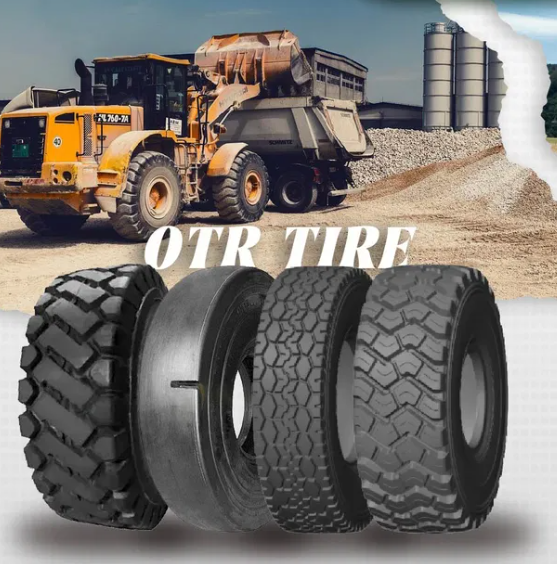
Front end loader tires boast diverse tread designs, each suiting specific conditions and tasks. Selecting the ideal tread pattern enhances performance and prolongs tire life. Different terrains and jobs demand specific tread features, influencing traction and wear.
One common pattern is the block tread design. It’s optimal for general-purpose applications, offering balanced traction on various surfaces. Block patterns ensure a stable grip and smooth operations.
Directional treads are another popular choice. These patterns feature chevron-shaped blocks, offering superior grip and self-cleaning properties, ideal for muddy or loose terrains. They channel debris away from the tire's core, maintaining traction.
The rib tread design is specialized for smoother surfaces. It minimizes rolling resistance, enhances stability, and ensures efficient fuel use. Rib patterns suit operations on paved surfaces, reducing vibration and noise.
For environments with heavy debris, the lug tread design is preferable. Lug treads feature pronounced, spaced-out blocks that increase traction and durability. They are effective on rocky or uneven terrains, offering excellent grip and load-supporting capabilities.
However, selection depends on the primary operation environment. Recognizing these patterns aids in making informed decisions based on performance needs.
Key tread designs include:
- Block Tread: Versatile traction for various terrains.
- Directional Tread: Enhanced grip for muddy or loose surfaces.
- Rib Tread: Lower resistance for paved paths.
- Lug Tread: Robust traction for heavy debris areas.
Each design serves unique purposes, matching operational demands with desired performance outcomes.
Importance of Tread Depth and Design
Tread depth and design are pivotal in the performance of loader tires. They affect traction, lifespan, and overall efficiency, making their evaluation critical for tire selection.
Tread depth plays a vital role in maintaining grip and stability. Deeper treads provide more contact with the ground, essential for handling challenging terrains. In wet or uneven conditions, adequate tread depth prevents slippage and enhances control.
Design intricacies, such as the angle and spacing of the treads, contribute to how the tire interacts with the surface. Tires with intricate designs offer better self-cleaning abilities, essential in environments with sticky mud or clay that can impede traction.
Poor tread condition can lead to operational inefficiencies. Shallow or worn treads compromise grip, jeopardizing safety and leading to increased wear. Regularly inspecting tread condition ensures sustained performance and safety.
Tire design also impacts fuel efficiency. A more specialized design may reduce resistance, lowering energy demands. This aspect is crucial for cost management and environmental considerations, enhancing both economic and ecological efficiency.
When assessing tread importance, focus on:
- Depth Adequacy: Deeper treads for better grip on uneven surfaces.
- Design Features: Optimize for self-cleaning and specific terrain needs.
- Condition Monitoring: Regular inspections to prevent mishaps.
- Efficiency Optimization: Choose designs that enhance fuel and operational efficiency.
Understanding and valuing tread depth and design improves safety and productivity. A considered choice leads to sustained performance, reduced costs, and extended tire life, benefiting overall project success.
Open-Pit Mining and Major Loader Types with Compatible Tire Types
Articulated Dump Trucks and Matching Tires: A Practical Guide