5 Indicators Telling You When to Replace Forklift Tires

Forklift tires play a crucial role in ensuring safety and efficiency in material handling operations. Regular maintenance and timely replacement are essential to prevent accidents and costly downtime.
Understanding when to replace forklift tires can be challenging. However, recognizing the signs of wear and damage is vital for maintaining optimal performance.
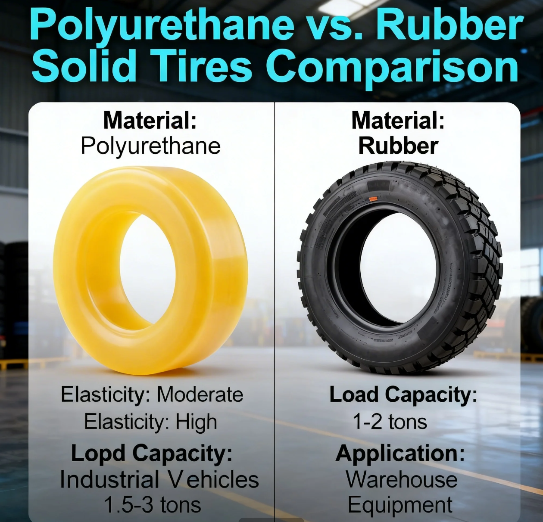
Different types of forklift tires, such as solid, pneumatic, and cushion, have unique maintenance needs. Each type requires specific attention to ensure longevity and reliability.
This guide will help you identify key indicators for replacing forklift tires, enhancing safety and operational efficiency.
Understanding Forklift Tire Types
Forklift tires come in various styles, each offering distinct benefits. Choosing the right type is pivotal for performance and safety. Several common types are found in warehouses and industrial settings.
Here are the primary types of forklift tires:
- Solid Tires
- Pneumatic Tires
- Press-On Tires
Selecting the correct tire type depends on your specific application needs. Each has pros and cons related to durability and handling conditions.
Understanding these differences aids in making informed maintenance decisions. The right choice can enhance your forklift's efficiency and safety on the floor.
Solid Tires
Solid tires are durable and maintenance-friendly, making them ideal for indoor use. They resist punctures and provide long-lasting performance in stable conditions.
Pneumatic Tires
Pneumatic tires, filled with air, offer excellent traction on rough, outdoor surfaces. However, they require regular checks for proper inflation and potential punctures.
Press-On Tires
Press-on tires, also called cushion tires, fit directly onto the wheel rim. These are best suited for smooth, indoor surfaces, providing a comfortable ride with low rolling resistance.
Indicator #1: Tread Depth
Tread depth is a vital factor in determining when to replace forklift tires. Worn treads can significantly impact traction and safety. Regular inspection helps identify wear before it becomes hazardous.
Tread depth issues can emerge due to frequent use on tough surfaces. Neglecting this can lead to instability and accidents.
Monitor these specific indicators:
- Irregular tread wear
- Bald spots on the tire surface
- Reduction below safe depth levels
These signs indicate the need for immediate replacement or maintenance attention.
Measuring Tread Depth
Accurate measurement of tread depth ensures safety. Use simple tools to make this process straightforward.
Here are tools you can use:
- Tread depth gauge
- Calipers
- Ruler with millimeter markings
With these tools, consistently monitor your forklift tires for wear.
Recommended Tread Depths
Maintaining recommended tread depths is crucial. Typically, a depth below 30% of its original level signals replacement is needed. Following these guidelines ensures your forklift operates safely and efficiently.
Indicator #2: Visible Damage
Visible damage is a clear sign that it might be time to replace forklift tires. Regular checks can catch early signs of tire wear. This includes looking for damage that might compromise safety or performance.
Damages not only affect forklift operation but can also lead to costly downtime. If damage is found, address it immediately to prevent further issues.
Look for these types of damage:
- Cracks
- Tears
- Chunking and separation
Each of these issues indicates the need for tire replacement.
Cracks and Tears
Cracks and tears often result from harsh working conditions. They weaken the tire and pose a significant safety risk. Inspect tires for any fissures and replace them immediately if found.
Chunking and Separation
Chunking and separation occur when pieces of the tire surface detach. This can lead to severe instability during operation. Ensure that any signs of separation are addressed with prompt tire replacement.
Indicator #3: Vibration and Noise
Experiencing unusual vibration or noise is a warning sign for forklift tire replacement. Such symptoms usually indicate tire imbalance or underlying damage. Regular operators often notice these changes first.
Ignoring these signs can lead to further mechanical problems and potential safety hazards. Addressing vibration and noise issues promptly can save both time and money. Here are common signs to look for:
- Excessive tire noise
- Consistent vibrations during operation
- Uneven floor contact
Causes of Vibration
Vibration is often caused by uneven tire wear or improper tire mounting. Faulty tire installation or damage can exacerbate this issue. Regular checks can prevent such occurrences.
Effects on Performance
Persistent vibration affects stability and increases operator fatigue. It can lead to operational inefficiencies and increased maintenance costs. Ensuring smooth tire rotation is crucial for consistent performance.
Indicator #4: Age of the Tires
The age of forklift tires is crucial in determining replacement needs. Even if tires look good, age can affect performance. Old tires may lose elasticity or develop hidden weaknesses.
Regularly inspecting tire manufacturing dates ensures timely replacements. Delaying replacement can lead to unexpected failures. Consider the following for tire age management:
- Check manufacturing dates
- Assess for aging signs
- Follow manufacturer guidelines
Tire Lifespan
Most forklift tires have a lifespan of around five years. However, this depends on usage and conditions. Consistent monitoring helps maintain optimal performance.
Manufacturer Recommendations
Manufacturers provide specific guidelines based on tire type. Adhering to these recommendations can prolong tire life. Replacing tires as advised ensures safety and efficiency.
Indicator #5: Performance Decline
Forklift tire wear can lead to a decline in performance. This may manifest as a reduction in load capacity or increased fuel usage. Monitoring these issues can prompt timely tire replacements.
Ignoring performance decline can result in unsafe operations. Maintaining peak performance involves addressing tire issues immediately. Key performance decline signs include:
- Difficulty handling loads
- Sudden stops
- Increased fuel consumption
Reduced Load Capacity
Worn tires compromise a forklift's ability to carry full loads. This can affect overall workplace efficiency. Regular tire assessments safeguard load capacity.
Increased Fuel Consumption
Damaged tires require more energy to move. This leads to higher fuel consumption. Replacing tires promptly can reduce fuel costs and improve efficiency.
How Heavy Is A Forklift Tire? Exploring Weight Variations Across Different Models
Industrial Tires: The Complete Guide to Types and Selection