How Heavy Is A Forklift Tire? Exploring Weight Variations Across Different Models

Forklift tires are crucial for the safe and efficient operation of forklifts. They come in various sizes and types, each with its own weight. Understanding these weight variations is essential for choosing the right tire for your forklift. This guide will explore the factors that influence forklift tire weight and how it impacts performance.
Understanding Forklift Tires
Forklift tires differ significantly from regular vehicle tires. They are designed to handle the heavy loads that forklifts manage daily. The wide range of types and sizes helps meet diverse operational needs.
Understanding their core aspects involves considering:
- Types of tires (pneumatic, solid, cushion)
- Tire sizes and dimensions
- Materials used in construction
These factors determine how forklifts perform in various environments, impacting stability and safety. Proper knowledge of these elements ensures optimal tire selection and forklift operation.
Why Tire Weight Matters
The weight of a forklift tire is crucial for the machine's balance and safety. A well-matched tire weight ensures the forklift operates efficiently and securely. Ignoring tire weight can lead to instability and handling issues.
Key reasons tire weight is important include:
- Maintaining forklift stability
- Enhancing load capacity
- Affecting fuel efficiency
Forklift Tire Types
Forklift tires are available in several types, each designed for specific applications and surfaces. Understanding these types helps in selecting the best tire for your needs.
Pneumatic Forklift Tires
Pneumatic tires are filled with air, similar to car tires. They offer superior traction and cushioning on rough outdoor terrain.
Characteristics and Use Cases
Pneumatic forklift tires are durable and handle heavy loads well. They're ideal for outdoor and rugged environments requiring grip and flexibility.
Some characteristics include:
- Air-filled for cushioning
- Excellent shock absorption
- Suitable for uneven surfaces
Weight Variations
Pneumatic tires typically weigh more due to their construction. Their weight varies based on size and air pressure requirements.
Variations in weight can depend on:
- Tire size (diameter and width)
- Air pressure levels
- Material thickness
Solid Forklift Tires
Solid tires are robust and made entirely of rubber compounds. They perform best on smooth, indoor surfaces.
Advantages and Applications
Solid tires are maintenance-free, puncture-resistant, and ideal for warehouses. They offer reliability without frequent repairs.
Key advantages include:
- Long-lasting and durable
- No risk of flats or air loss
- Designed for indoor and smooth surfaces
Average Weight
Solid tires are lighter than pneumatic ones, as they lack air filling. Their weight can vary based on the compound used and tire size.
Factors affecting weight include:
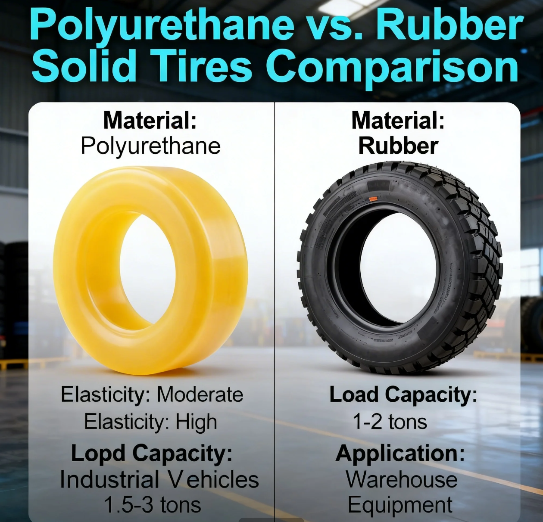
- Type of rubber or polyurethane
- Tire dimensions and design
- Specific application requirements
Cushion Forklift Tires
Cushion tires are compact and smooth, perfect for indoor settings and asphalt surfaces. They provide stability in tight spaces.
Features and Benefits
Cushion tires offer easy navigation and are cost-effective. They're engineered for smooth, dry surfaces like warehouses.
Benefits include:
- Lower rolling resistance
- Efficient in confined spaces
- Less expensive than other types
Comparison of Weights
Cushion tires are generally the lightest among forklift tires. Their streamlined design contributes to their lower weight.
Weight comparisons show:
- Lighter than pneumatic and solid tires
- Fit specific lightweight loads
- Favor easy handling and maneuverability
Factors Influencing Tire Weight
Several factors influence forklift tire weight, including size, material, and design. Each element plays a role in determining the tire's overall heft.
Tire Size and Dimensions
Forklift tire size significantly impacts its weight. Larger tires are generally heavier due to more material used.
Common Forklift Tire Sizes
Forklift tires come in various sizes, designed to fit specific forklifts. Sizes depend on the forklift's type and load requirements.
Common sizes include:
- Small: 18x7 inches for compact forklifts
- Medium: 21x8-9 inches for standard models
- Large: 28x12.5-15 inches for heavy-duty equipment
Weight Distribution Based on Size
The weight of a tire can be distributed differently depending on its size. Larger tires usually have a greater overall weight.
Key distribution factors involve:
- Wider tires spread weight evenly
- Taller tires increase overall load-bearing capacity
- Size affects tire stability and maneuverability
Material Composition
The materials used in a forklift tire affect its weight. Different compounds provide unique properties that influence performance.
Rubber vs. Other Materials
Rubber is commonly used, but alternative materials like polyurethane can offer advantages. Each has its pros and cons based on application.
Comparison includes:
- Rubber: Flexible and durable
- Polyurethane: Resilient and less prone to punctures
- Hybrid materials for specialized environments
Impact on Weight
Material composition changes tire weight significantly. Each material affects tire functionality and weight differently.
Impact considerations involve:
- Rubber tires are generally heavier
- Polyurethane variants can be lighter
- Material affects overall tire lifespan and efficiency
Measuring Forklift Wheel Weight
Accurate tire weight measurement is crucial for safety and efficiency in forklift operations. It ensures proper balance and performance.
Methods of Weighing Forklift Tires
Several techniques help determine forklift tire weight, each offering specific benefits. Consistent measurement ensures proper equipment function.
Key methods include:
- Platform Scales: Ideal for large tires, offering precise readings.
- Hydraulic Weighing Systems: Integrated into forklifts for continuous monitoring.
- Suspension Scales: Suited for quick checks of smaller tires, providing flexible usability.
Each method caters to different needs, ensuring comprehensive weight tracking.
Key Measurements to Consider
When weighing forklift tires, several critical measurements affect performance and safety. These factors guide proper tire usage.
Important measurements:
- Diameter and Width: Influence compatibility and tire performance.
- Tread Depth: Critical for traction and tire longevity.
- Overall Weight Distribution: Ensures balanced load handling and safe operation.
Understanding these measurements aids in choosing and maintaining the right tires for varied applications.
Conclusion
Knowing forklift tire weight helps in selecting suitable options, ensuring safety and efficiency in operations.
Summary of Weight Insights
Forklift tire weight affects balance, stability, and performance. Different types like pneumatic and solid have unique benefits and suitable applications. Various factors, including tire type and size, contribute to these weight differences.
Key Takeaways:
- Choose the right tire type for the environment.
- Regularly check tire weight and condition for safety.
- Balance and stability are linked to tire specifications.
Final Thoughts on Choosing the Right Tire
Selecting appropriate forklift tires involves understanding the operating environment and load requirements. Evaluating tire weight and composition ensures optimal performance and safety.
When selecting tires, consider:
- Application needs: Indoor vs. outdoor environments.
- Load capacity: Ensure tires support anticipated loads safely.
- Maintenance requirements: Choose tires that align with maintenance capabilities and schedules.
Making informed choices can enhance the lifespan and efficiency of your equipment.
The Ultimate Guide to Flat-Proof Skid Steer Tires: Airless, Solid Fill & Beyond
5 Indicators Telling You When to Replace Forklift Tires