Choosing the Right Skid Steer Loader Tyres
Understanding Skid Steer Loader Tires
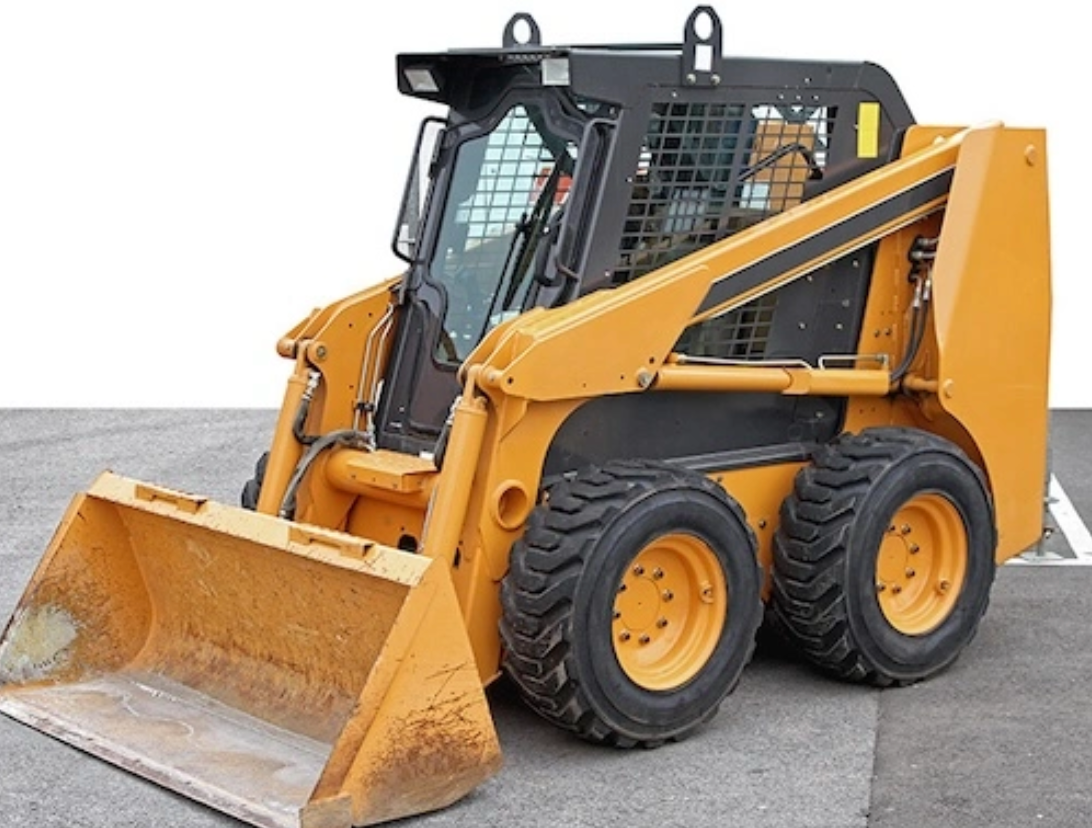
Skid steer loader tires play a critical role in machine performance. They influence traction, stability, and operational efficiency. Selecting the right tyres can greatly improve productivity and reduce costs.
Definition and Importance
Skid steer loader tyres are designed to handle a range of tasks. They must withstand heavy loads and demanding conditions. Their selection is vital for safety and cost-effectiveness on job sites.
Different Types of Skid Steer Tires
There are various skid loader tires to consider, each serving a distinct purpose:
- Pneumatic Tires: Air-filled for a smoother ride on uneven ground.
- Solid Skid Steer Tires: Puncture-proof, ideal for rough conditions.
- Foam-Filled Tires: Provide durability with a bit of cushioning.
Understanding the differences helps in selecting the most appropriate option for your work environment.
Factors to Consider When Choosing Tires
Choosing the right skid steer loader tires involves several key considerations. Making the correct choice ensures optimal performance and minimizes downtime. Here are critical factors to ponder before deciding:
- Terrain Type: Affects traction and tread choice.
- Load Capacity: Determines the tire's durability.
- Tire Size: Must align with machine specs.
Evaluating these elements can lead to better machine handling and extended tyre life. It also helps in choosing tyres that meet operational demands and budget.
Terrain Type
The type of terrain significantly impacts tire choice. Rough or muddy surfaces require wider tires with deep treads. In contrast, hard surfaces like asphalt need less aggressive tread designs.
Identifying the primary terrain ensures the tires will perform effectively. This consideration improves safety and efficiency on the job site.
Load Capacity
Load capacity is crucial for durability and safety. Opting for tires with appropriate load ratings prevents premature wear.
- Heavy Loads: Choose robust, high-capacity tires.
- Light Loads: Select moderately rated tires.
Accounting for load ensures better support and stability, which is essential for operational longevity.
Tire Size and Specifications
Correct tire size aligns with the loader's specifications. This match is crucial for balance and performance.
- Manufacturer Recommendations: Follow guidelines for size.
- Tread Pattern Suitability: Match pattern to application needs.
Adhering to these specifications aids in maintaining optimal skid steer functionality and enhances efficiency.
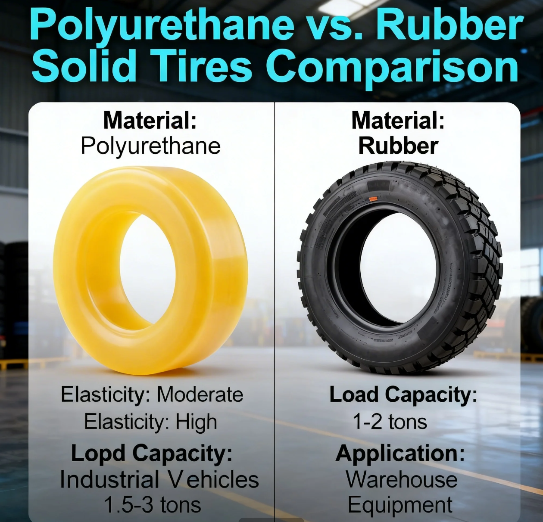
Solid Skid Steer Tires vs. Pneumatic Tires
Choosing between solid and pneumatic tires depends on application needs. Each has unique strengths suited to different environments. Understanding their differences helps in making informed decisions.
- Solid Tires: Durable, puncture-resistant.
- Pneumatic Tires: Air-filled, offer smoother ride.
Solid tires excel in harsh conditions, while pneumatic tires are preferred for softer, varied terrain.
Benefits of Solid Skid Steer Tires
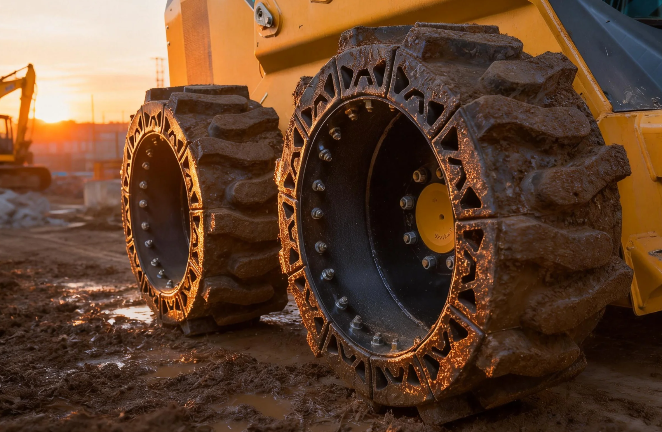
Solid skid steer tires are ideal for tough environments. They withstand debris and minimize downtime. Their puncture-proof design offers unmatched durability.
- Heavy-Duty Use: Perfect for demolition sites.
- Lower Maintenance: No air checks needed.
For projects involving sharp materials, solid tires reduce risk and maintenance costs, leading to higher productivity.
Advantages of Pneumatic Tires
Pneumatic tires provide a comfortable ride on uneven surfaces. They excel in versatility, adapting to various terrains. Their cushioning improves operator comfort and machine handling.
- Smooth Ride: Reduces operator fatigue.
- Better Traction: Ideal for off-road areas.
In agricultural and landscaping tasks, pneumatic tires enhance efficiency and overall machine performance.
Maintenance Tips for Skid Steer Tires
Proper maintenance extends tire life and ensures safety. Implementing consistent checks and upkeep can save costs over time. Regular attention prevents unnecessary downtime and boosts performance.
Key maintenance practices include:
- Checking pressure regularly
- Inspecting for visible wear
- Aligning wheels properly
Regular Inspections
Frequent inspections are crucial for spotting damage early. Look for uneven wear patterns and embedded debris. Regular checks can avert major issues before they develop.
Inspection checklist includes:
- Checking tread depth
- Examining sidewalls for cuts
- Identifying uneven tread wear
Inflation and Pressure Monitoring
Keeping tires properly inflated is vital for optimal performance. Incorrect pressure affects handling and durability, risking machine efficiency. Use pressure gauges to maintain ideal levels.
Pressure maintenance tips:
- Check pressures weekly
- Adjust for temperature changes
- Use a reliable gauge for accuracy
Conclusion
Choosing the right skid steer loader tyres enhances performance and safety. A well-informed decision reduces costs and improves job efficiency.
Making the Right Choice
Evaluate tyre needs based on terrain, load, and tasks.
Future Trends in Skid Steer Tires
Emerging technologies promise improved durability and eco-friendliness. Stay updated for optimal choices.
The Ultimate Guide to Forklift Tire Replacement: Choosing Between Pneumatic and Solid Tires