The Ultimate Guide to Skid Steer Tires: Snow, Rubber, and Selection
Understanding Skid Steer Tire Fundamentals
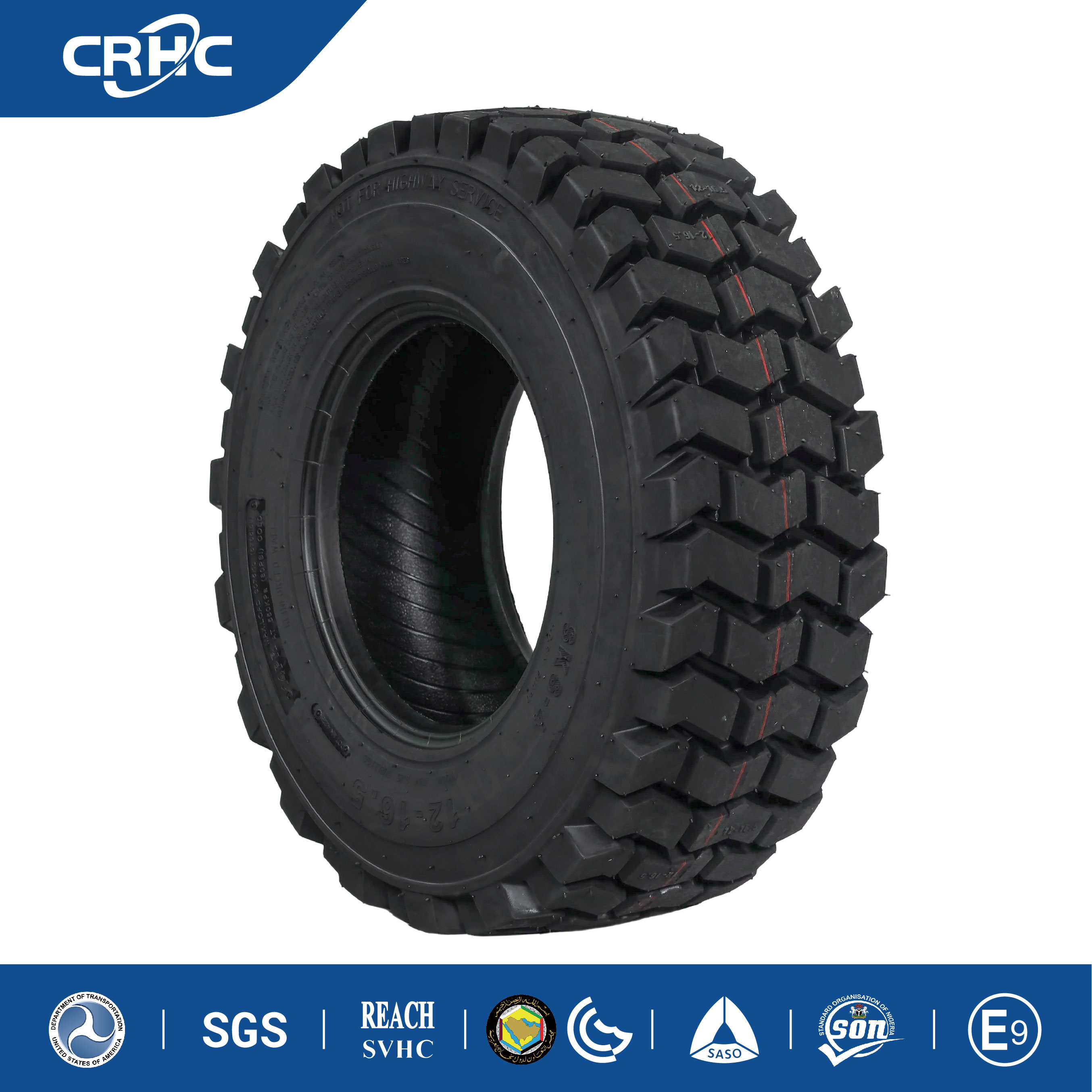
Unlike standard vehicle tires, skidsteer tyres are engineered to withstand unique stresses. The skid-steer turning mechanism, which drags tires sideways to pivot, generates immense lateral force and scrubbing. Therefore, a quality rubber tire skid steer must have a robust casing, strong sidewalls, and a compound resistant to abrasion and tearing. The primary choice for most applications lies between pneumatic (air-filled) and solid/semi-pneumatic (foam-filled) rubber tires, each with distinct advantages for different environments.
Tire Types: Pneumatic vs. Solid Rubber Tires
-
Pneumatic (Air-Filled) Tires: These are the most common type of rubber tire skid steer. They offer excellent traction, a smoother ride, and better flotation on soft ground due to their ability to conform to terrain. However, they are susceptible to punctures and flats. For winter work, they can be fitted with chains, but a dedicated winter tread is often more effective.
-
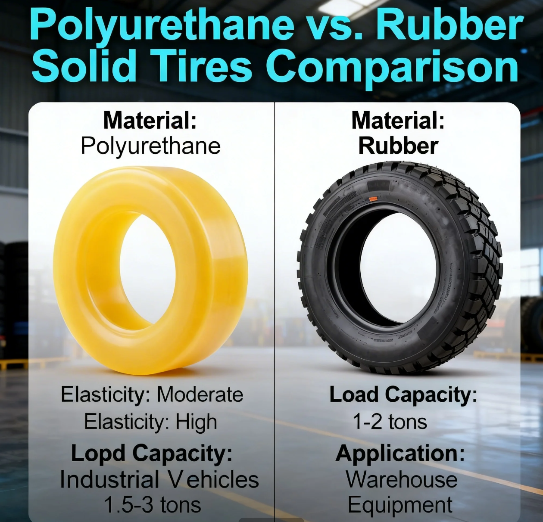
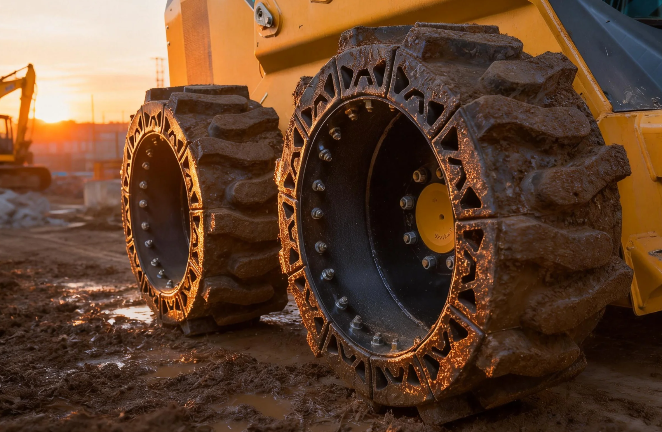
Solid/Semi-Pneumatic (Foam-Filled) Tires: These are pneumatic tires that have been filled with a solid polyurethane foam or are manufactured as solid rubber. The key advantage is 100% flat-proof operation, making them ideal for extreme environments like demolition sites, recycling yards, and areas with sharp debris. The trade-off is a harder ride, less traction on soft ground, and typically higher initial cost.
Mastering Winter: Choosing Skid Steer Tires for Snow
Selecting the right skid steer tires snow removal is crucial for safety and efficiency. The goal is to maximize contact and bite into packed snow and ice.
-
Aggressive Winter/Snow Tread Patterns: Look for tires labeled for winter or snow service. These feature deeper, more widely spaced lugs with angled and staggered elements. The open, aggressive design prevents snow from packing in the tread (a phenomenon called "balling") and provides multiple biting edges for forward traction and lateral stability.
-
Studdable Tires: For extreme ice, some winter skidsteer tyres have pre-molded holes for metal studs. Studs dramatically improve grip on sheer ice but can damage paved surfaces and are often regulated or banned for road use.
-
Considerations: While foam-filled tires eliminate the worry of pressure loss in cold temperatures, a high-quality pneumatic winter tire often provides superior traction due to its flexibility. Ensure proper inflation as cold weather reduces tire pressure.
Key Factors for Selection and Purchase
When searching for new skidsteer tyres, consider these factors:
-
Primary Application: Match the tire to your most common task (e.g., snow removal, landscaping, construction, demolition).
-
Tread Pattern:
-
Standard Lug (R-4 type): General-purpose tread for mixed surfaces.
-
Aggressive Lug (R-1 type): For maximum traction in dirt, mud, and soft fields.
-
Industrial/Smooth: For minimal ground disturbance on finished surfaces.
-
Winter/Snow: As detailed above, for frozen conditions.
-
-
Tire Construction: Decide between pneumatic for performance and comfort or solid for durability and flat-proofing.
-
Size and Ply Rating: Always match the OEM specified size. A higher ply rating indicates greater load capacity and puncture resistance, essential for heavy loads.
Conclusion
There is no single "best" rubber tire skid steer. The optimal choice is a strategic balance between your primary working environment, material handling needs, and budget. For dedicated snow and ice work, investing in a dedicated set of high-quality skid steer tires snow treads is a performance upgrade that pays for itself in enhanced safety and productivity. For multi-purpose or extreme-debris applications, a robust foam-filled tire may offer the best total cost of ownership. Assess your needs, consult with a specialist, and equip your machine to tackle the job effectively.
Industrial Tires: The Complete Guide to Types and Selection
The Ultimate Guide to Forklift Tire Replacement: Choosing Between Pneumatic and Solid Tires